Best 3D Glasses for TV: Top Picks for Home Theater Enthusiasts
When shopping for 3D glasses for TV, aim for comfort, compatibility, and clear, ghosting-free viewing. This guide highlights five reliable options designed for home theaters, shared viewing, or classroom demonstrations. Best for families who want multiple pairs, best for theater-like RealD experiences, and best for quick, casual 3D movie nights. The list targets common 3D setups including red/blue anaglyph and circular-polarized RealD systems. Use the buying guide below to compare compatibility, comfort, and intended use across real-world viewing scenarios.
Summary at a glance: the collection below covers universal red/blue 3D glasses for TVs and games, circular-polarized RealD-compatible sets for cinema-style viewing, active shutter options for broader projector compatibility, and paper/cardboard options for budget, portable displays. This table helps you compare suitability for group viewing, home theater, and travel-friendly setups.
| Product | Brand | Best For |
|---|---|---|
| Fansoftiks 4Pcs Red and Blue | Fansoftiks | Casual viewing, multiple viewers |
| ASVP Shop 3D Glasses 6-Pack | ASVP Shop | Theater-like 3D at home, over prescription glasses |
| GOUDOGEDC 4Pcs Red and Blue | GOUDOGEDC | Family movie nights, shared viewing |
| Cocar Real 3D Glasses 6-Pack | Cocar | RealD-compatible passive 3D experiences |
| ELEPHAS DLP Link 4 Pack | ELEPHAS | Active 3D with DLP-Link projectors |
Fansoftiks 4Pcs Red And Blue 3D Glasses

These universal red/blue 3D glasses fit most 3D movie, TV, and gaming setups using anaglyph technology. The set includes four lightweight, durable plastic frames with red-blue lenses for comfortable, extended viewing. Best for groups, classrooms, and casual home entertainment where multiple viewers need affordable glasses.
Who it’s best for: families or friends wanting a spare set for group movie nights. Why selected: broad compatibility with red/blue 3D content and a simple, durable design. Caution: anaglyph 3D quality may vary by display and content; ghosting can occur on some screens.
ASVP Shop 3D Glasses 6-Pack

These six-pack passive circular polarized glasses are RealD cinema compatible and designed for effortless viewing on 3D TVs, projectors, and home theaters. The lightweight frames fit over most prescription glasses, making them suitable for both adults and kids. Best for home theaters seeking a theater-like 3D effect without flicker.
Who it’s best for: viewers seeking comfortable, long-wear passive 3D glasses with RealD compatibility. Why selected: strong RealD compatibility and comfort. Caution: works with passive 3D systems; not for active-shutter televisions.
GOUDOGEDC 4Pcs Red And Blue 3D Glasses

Universal red/blue 3D glasses designed for TV, movies, DVDs, and gaming with a simple design. The set includes four pairs for shared viewing, and the lightweight frames provide comfortable wear for extended sessions. Best for households needing affordable, easy-to-use 3D glasses for common red/blue content.
Who it’s best for: families and friends looking for a budget-friendly set. Why selected: straightforward compatibility with red/blue 3D content. Caution: may not support newer polarized or active-shutter formats.
Cocar Real 3D Glasses 6-Pack

Cocar’s circular polarized passive 3D glasses are designed to work with Real cinema technology and other passive systems. They help reduce glare and provide a clearer 3D image. Best for RealD-compatible screens and shared viewing with minimal ghosting.
Who it’s best for: viewers who want a comfortable, hygiene-conscious option for RealD-style viewing. Why selected: broad compatibility with multiple passive displays. Caution: not suitable for active 3D systems.
ELEPHAS 4 Pack DLP Link 3D Glasses
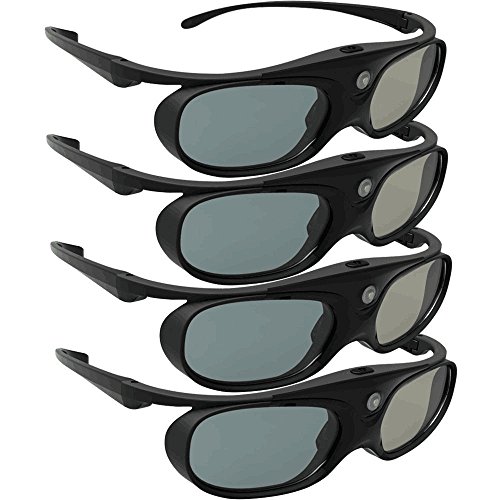
ELEPHAS offers a four-pack of DLP Link active shutter glasses designed for DLP-Link projectors. They boast a 144 Hz refresh capability and a wide viewing angle for minimal distortion. Best for users with compatible active 3D projectors seeking smooth, bright 3D from larger screens.
Who it’s best for: projector users with DLP-Link devices. Why selected: high refresh rate and broad viewing angle. Caution: not intended for use with 3D TVs that rely on passive or RealD formats.
Buying Guide: Key Purchase Considerations
- 3D Technology Type: Active shutter, circular polarization (RealD), or red/blue anaglyph. Active and RealD provide better image quality but require compatible hardware. Anaglyph is universal but offers lower color accuracy.
- Compatibility: Check your TV, projector, or computer system’s 3D technology (passive vs. active). Do not assume universal compatibility across all 3D displays.
- Comfort and Fit: Look for lightweight frames, adjustable nose pads, and compatibility with prescription glasses if needed. Long viewing sessions benefit from softer materials and balanced weight.
- Group Viewing: If sharing with family, choose multi-pack sets to ensure everyone has a pair without swapping glasses mid-movie.
- Durability and Cleanliness: Durable frames resist wear and scratches; for shared use, consider easy-clean materials.
- Portability: For travel or classrooms, portable and foldable designs can be advantageous.
FAQ
- What 3D glasses work with most TVs? – Passive circular-polarized RealD-compatible glasses work with many RealD-enabled TVs and projectors. Anaglyph red/blue glasses work broadly but with reduced image quality.
- Can I wear 3D glasses over prescription glasses? – Many lightweight passive glasses are designed to fit over prescription glasses. Check the product’s fit description.
- Do active shutter glasses work with all TVs? – No. Active shutter glasses are designed for specific televisions and projectors; verify compatibility before purchasing.
- Are there affordable options for group viewing? – Yes. Multi-pack red/blue or circular polarized sets provide good value for family or classroom use.
- Is RealD the same as DLP-Link? – RealD refers to a circular-polarized technology used in cinemas and some TVs; DLP-Link is specific to certain active shutter projectors.
- Should I avoid 3D glasses with head motion or eye strain issues? – If you experience discomfort, reduce viewing time, adjust screen brightness, or try a different 3D technology type.