Best Apps or Tools for Mileage Tracking and Vehicle Logs in 2026
Answering the search intent for mileage tracking today means presenting a mix of digital apps, plug-in devices, and handy logbooks that help capture business miles, expenses, and fleet activity. This guide highlights five practical options that suit different buyers—from teens and fleet managers to solo contractors and rideshare drivers. Each entry explains who benefits most, why it was selected, and a potential limitation to consider. A quick buyer’s table follows to compare core details at a glance.
| Product | Best For | Core Benefit | Format |
|---|---|---|---|
| Benbengo OBD GPS Tracker | Vehicle fleets, teen drivers | Real-time tracking with alerts | OBD plug-in device |
| Portage Auto Mileage Notebook | Budget-conscious solo professionals | Low-tech, reliable mileage log | Printed notebook |
| Moto Watchdog GPS Tracker | Small fleets, ad-hoc use | No subscription required | OBD/plug-in device |
| REWIRE SECURITY DB2-4G Tracker | Fleet managers, real-time alerts | Live tracking with geofencing | Hardwired or magnetic |
| IOYDC GPS Tracker | Simple, no-subscription monitoring | No monthly fees | OBD style |
Benbengo OBD GPS Tracker For Vehicles

The Benbengo OBD GPS Tracker is best for tech-savvy vehicle owners who want real-time data and driver behavior alerts. It plugs into the OBDII port for quick setup, and its 5-day free trial helps verify value before subscribing. Ideal for parents monitoring teen drivers or fleet supervisors watching for speeding and hard braking. A potential limitation is reliance on the vehicle’s OBD port and subscription costs after the trial period.
- Real-time updates every 10 seconds; supports trip data tracking for up to a year.
- Alerts for speeding, geo-fence breaches, crashes, harsh braking, and rapid acceleration with customizable speed thresholds.
- Compact and light; no risk of draining the car battery.
Who this is for: drivers who want live movement data and immediate alerts, plus parents or fleet managers tracking risky behavior. Why selected: its rapid refresh rate and driver-behavior features align with mileage and route accountability. Caution: ongoing monthly costs after the free trial may be a consideration for cost-conscious buyers.
Portage Auto Mileage Notebook — 60 Pages

This Portage mileage notebook is best for individuals who prefer a tactile, low-tech solution to record business miles and related expenses. It fits easily in a glove compartment, making it a practical backup or primary method for those who want a simple log without devices. Limitation: it doesn’t automate mileage capture or integrate with apps.
- 60 pages designed for a full year of entries; more pages than many brands.
- Compact 5″ x 8″ format; easy to tote in a bag or vehicle console.
- Simple, clear fields for date, business purpose, odometer readings, and total mileage.
Who this is for: solo professionals or DIY trackers who want a dependable, no-fuss logbook. Why selected: it provides a durable, low-cost option that works offline and requires no tech setup. Caution: manual entry means potential for human error or omissions; regular syncing with other records may be needed for expenses.
Moto Watchdog GPS Tracker For Vehicles

The Moto Watchdog device is best for users who want a no-subscription model with straightforward installation. It runs off the vehicle’s power and starts tracking quickly via a user-friendly app. A limitation is that it may not provide engine diagnostic data or fuel level readings, focusing on location and movement only.
- No monthly subscription; simple setup with a dedicated mobile app.
- No battery charging required; device remains powered by the vehicle.
- Potential caveat: it does not read engine DTC codes or monitor fuel levels.
Who this is for: those who want a cheaper, maintenance-free tracker without ongoing fees. Why selected: its stand-alone tracking with long-term power efficiency suits fleets or individuals who dislike recurring charges. Caution: limited data beyond location and movement may not meet all mileage-tracking needs.
REWIRE SECURITY DB2-4G GPS Tracker
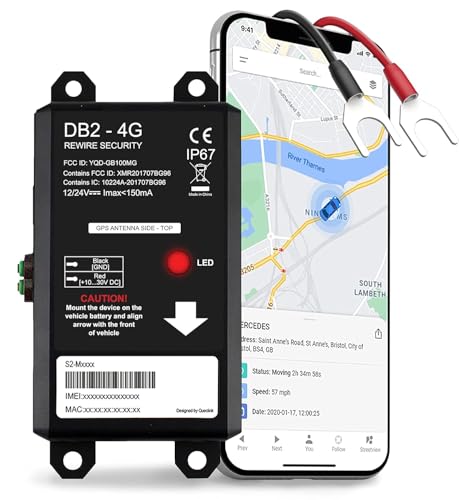
The REWIRE SECURITY DB2-4G tracker is best for fleet managers who need real-time alerts and geofencing. It supports both hardwired and magnetic installation for flexible placement. The main caveat is that the feature set emphasizes live tracking and alerts; it may not be the best choice for owners who require comprehensive engine data or fuel monitoring from the device alone.
- Real-time location updates and a 12-month history viewable in GPSLive.
- Custom geofences and alert types like ignition status, battery disconnect, and trailer movement.
- Dual installation options for stealth or visible mounting depending on use case.
Who this is for: fleet operators needing scalable monitoring with precise alerts. Why selected: its robust alerting and flexible installation make it a strong choice for controlling mileages across multiple vehicles. Caution: the setup and interface may have a learning curve for new users.
IOYDC GPS Tracker For Vehicles
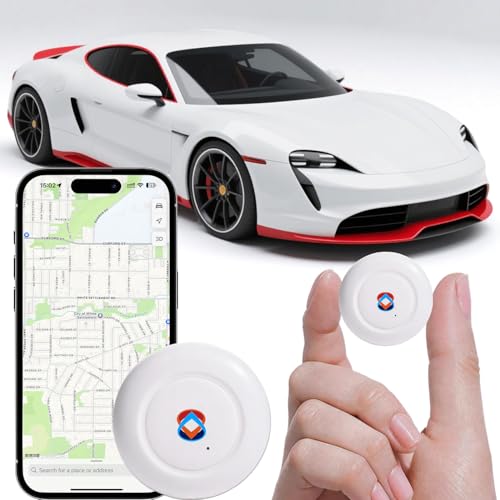
The IOYDC tracker is best for users who want a simple, subscription-free monitoring option with extended battery life and broad compatibility. It is designed to work with both iOS and Android apps for straightforward location sharing and history. Limitation: long-term usage without a subscription may limit feature depth or real-time data granularity depending on the model’s capabilities.
- No monthly fees or subscriptions; one-time purchase for ongoing use.
- Works with iOS and Android apps for easy access.
- Two-year battery life minimizes maintenance; ideal for infrequent tracking needs.
Who this is for: users who want a simple, cost-effective solution with dependable location history. Why selected: its combination of app compatibility and long battery life makes it suitable for basic mileage logging and vehicle tracking without ongoing costs. Caution: “no subscription” does not guarantee access to all advanced telematics features some buyers expect.
Buying Guide: Key Purchase Considerations
- What is your tracking goal? Real-time driver behavior alerts, mileage logging, or asset location? Choose a device with the right emphasis (live updates vs. manual logs).
- Power source and installation: Do you prefer plug-in OBD devices, hardwired systems, magnetic mounts, or paper logbooks?
- Subscription and cost structure: Are you comfortable with a trial period followed by a monthly fee, or do you want a no-subscription option?
- Data scope: Do you need engine data, fuel level readings, or just location histories and odometer readings?
- Fleet scalability: If you manage multiple vehicles, look for devices with centralized dashboards and multi-device support.
- Privacy and security: Consider devices with robust data protection and clear, transparent data handling policies.
Frequently Asked Questions
- Q: Do mileage trackers require an internet connection? A: Real-time trackers and apps typically rely on cellular data; notebooks and some non-subscription devices don’t require internet for recording or viewing data locally.
- Q: Can I share mileage data with tax software? A: Yes, many apps and logs export data in formats that integrate with tax or expense software, or you can manually enter figures from a log.
- Q: Are there privacy concerns with vehicle trackers? A: Tracking data is sensitive; use devices with clear privacy settings, geofence controls, and data retention preferences.
- Q: What’s the best option for a tight budget? A: A no-subscription device or a simple logbook can minimize ongoing costs while still meeting mileage-recording needs.
- Q: Can I use multiple devices for a single vehicle? A: Some fleet-focused solutions support multi-device setups for redundancy and broader data capture; check compatibility before purchasing.
- Q: How often should I review mileage data? A: Review frequency depends on workload and compliance needs; many users check weekly or monthly to reconcile expenses and trips.