Best Batteries for Alarm Systems: Top Picks for Home Security
Find reliable, maintenance-free power for your alarm system with these top battery choices. This guide helps buyers select the right battery type for different alarm components, from control panels to sensors and smoke detectors. Best for long standby use, versatile compatibility, and maintenance-free operation, these options cover common home security needs.
| Product | Best For | Key Benefit |
|---|---|---|
| Mighty Max Battery 12V 7Ah | ADT-style security panels | High discharge, wide operating temps |
| Casil CA1240 12V 4Ah | ADT alarm replacements | Reliable standby power |
| ExpertPower EXP1250-12V 5Ah | Garage doors, UPS, alarms | Solid backup with AGM design |
| Duracell CR123A 12-Count | Wireless sensors and detectors | High power, broad compatibility |
| Enegitech CR123A 2-Pack | Smoke alarms, door sensors | Non-rechargeable, 3V lithium |
Mighty Max Battery 12V 7Ah Battery Replacement for Home ADT Security Alarm System
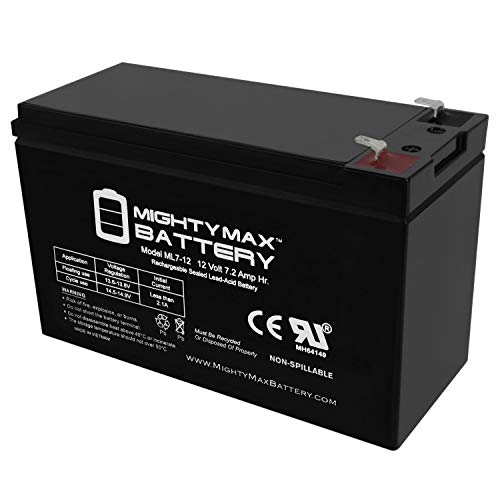
Product overview: ML7-12 SLA is a 12V 7.2Ah sealed lead-acid (SLA) rechargeable maintenance-free battery. UL certified with a compact footprint (5.90 in x 2.50 in x 3.90 in). Terminal: F1. Battery is sold as the core unit only; no wiring harness or mounting accessories included. SLA/AGM construction supports high discharge rates and wide operating temperatures for dependable security system backup.
Who it’s best for: Homeowners with ADT-style panels seeking a reliable, long-lasting backup battery for standard security alarms. Why selected: Higher capacity than many compact SLA replacements, good standby performance, and established form factor for common alarm enclosures.
Limitations: No wires or mounting hardware included; ensure terminal type and enclosure fit before purchasing.
Casil CA1240 12V 4Ah SLA/AGM Alarm Battery

Product overview: Casil CA1240 is a 12V 4Ah sealed lead-acid (SLA/AGM) battery designed for alarm systems. It emphasizes reliability and longevity for ADT-style installations. The product is marketed for ADT alarm compatibility and maintains steady power for standby operation.
Who it’s best for: Buyers needing a compact, maintenance-free standby battery for ADT systems. Why selected: Specifically pitched for ADT alarms, providing dependable power in a familiar form factor.
Limitations: 4Ah is lower than some higher-capacity options, so backup duration may be shorter during an outage.
ExpertPower EXP1250-12V 5Ah Rechargeable SLA Battery

Product overview: 12V 5Ah sealed lead-acid battery with AGM structure for steady output during long backup needs. Dimensions: 3.54″ x 2.76″ x 3.98″ (and ~4.21″ total height with terminals). Compatible with garage door openers, UPS, and alarm replacements, plus applications like speakers or exit lights.
Who it’s best for: Homeowners seeking a versatile standby battery that can serve multiple backup roles beyond alarms. Why selected: Robust AGM design supports stable power across temperatures and multiple devices.
Limitations: Monitor terminal height if space is tight; ensure compatibility with your enclosure and mounting.
Duracell CR123A 3V Lithium Battery, 12 Count

Product overview: A 12-pack of CR123A 3V lithium batteries designed for high-power devices. These cells are suitable for a wide range of home sensors, wireless security devices, and flashlights. Duracell positions them for reliable performance in security systems and home automation.
Who it’s best for: Buyers replacing multiple sensors or detectors that use CR123A cells. Why selected: Large pack offers convenient stocking for devices with frequent battery changes.
Limitations: Non-rechargeable; plan for periodic replacement rather than recharging.
Enegitech CR123A 3V Lithium Battery (2 Pack)

Product overview: Non-rechargeable CR123A lithium battery, 3V, with a capacity around 1600 mAh. Wide compatibility includes flood sensors, smart locks, smoke alarms, detectors, and other home alarm components. These are disposal batteries and should not be charged.
Who it’s best for: Buyers needing reliable non-rechargeable power for a range of alarm sensors. Why selected: Higher peak voltage and compatibility with many alarm devices.
Limitations: Do not recharge; dispose after use per local guidelines.
Buying Guide: Key Considerations For Alarm System Batteries
Choosing the right battery type depends on your specific equipment and backup needs. Consider the following:
- Battery type: Sealed Lead Acid (SLA/AGM) vs. lithium. SLA/AGM offers robust backup and is common in alarm panels, while lithium CR123A cells power smaller sensors with long shelf life.
- Voltage and capacity: Ensure the voltage matches your device requirements and that capacity (Ah or mAh) provides sufficient runtime during outages.
- Form factor and terminals: Check that the physical size and terminal type (F1, etc.) fit your enclosure and controller.
- Rechargeability: Rechargeable options save long-term cost but may require a replacement cycle; non-rechargeable cells require periodic replacement but lower maintenance.
- Temperature tolerance: Alarm systems run in varied home environments; select batteries rated for your ambient temperatures.
- Application scope: Some products are designed for ADT-style panels, others for detectors, sensors, or UPS backups. Match the battery to the device type.
Practical Buying Tips
- Stock common sizes for quick replacements, especially for CR123A devices used across sensors and cameras.
- When using rechargeable options, confirm compatibility with your alarm’s charging circuitry to avoid under- or overcharging.
- Keep spare batteries organized and labeled by device to simplify maintenance during outages.
Common Scenarios and Recommendations
- New alarm installation: Start with a 12V SLA option for control panels; pair with compatible replacement batteries for sensors as needed.
- Upgrading an older ADT system: Use a compact 12V 4–5Ah or 7Ah SLA battery for reliable back-up power.
- Sensor-heavy home security: Maintain a supply of CR123A cells in a dedicated kit to keep sensor and detector batteries current.
FAQ
- What battery type is best for alarm panels?
Sealed lead-acid (SLA/AGM) batteries are common for panels due to reliable backup and wide temperature tolerance.
- Are CR123A batteries rechargeable?
No. CR123A cells listed here are non-rechargeable in most security setups; plan for replacement when depleted.
- Can I mix battery brands in my system?
Best practice is to match battery type and capacity with the device’s requirements and avoid mixing significantly different chemistries in the same device.
- How do I know the right capacity for my alarm backup?
Check your panel and device manuals for standby time expectations and select a capacity that meets or exceeds those recommendations.
- What safety precautions should I follow when replacing batteries?
Disconnect power to the device if possible, handle batteries with care, and follow local disposal guidelines for used cells.