Best Conductive Paste for Electrical Connections: Top Picks for Reliability and Longevity
Find the right conductive paste to ensure stable, low-resistance connections in automotive, electronics, and home-appliance projects. This guide highlights five well-suited options, explains who each product is best for, and points out practical use considerations. Use these picks to improve contact reliability, reduce arcing, and protect joints in challenging environments.
| Product | Best For | Key Benefit |
|---|---|---|
| Hzutloer Copper Conductive Grease | High-Temp Automotive and Power Systems | Very high temperature resistance up to 1100 °C |
| FOTU 570 Conductive Lubricating Grease | Connections in Switches and Terminals | Low contact resistance across broad temp range |
| Conductive Paste 4 oz Jar (Balego) | General purpose low-voltage connectors | Convenient 4 oz jar, pack of three |
| FOTU 571 Electrical Contact Grease | Electrical switches and corrosion-prone joins | Non-corrosive film with tunnel-effect conductivity |
| Lubree 100 mL Carbon Conductive Paste | Low-Voltage Connectors and Terminals | Stability under pressure and moisture resistance |
Hzutloer Copper Conductive Grease

Brand: Hzutloer. Features include copper powder as the conductive medium for high electrical conductivity and long-lasting stability. It resists temperatures up to 1100 °C, offering protection for metal components and joints in high-temperature operating conditions. This paste is suitable for battery connectors, circuit board repair, electrolyzers, automotive manufacturing, electronics, and household appliances.
Best for: Automotive and power-system applications where high heat and robust conductivity are required. Reason for selection: It combines strong conductivity with exceptional high-temperature performance, reducing arcing risk in demanding environments.
Caution: While highly heat-tolerant, ensure proper surface preparation for optimal adhesion and minimal wipe-off in extremely exposed settings.
FOTU 570 Conductive Lubricating Grease

Brand: FOTU. This paste emphasizes optimized electrical performance by slashing contact resistance and reducing signal interference across switches, connectors, and circuit boards. It withstands temperatures from -40°C to 200°C, making it versatile for automotive engines, cold storage industrial gear, and high-heat enclosures.
Best for: Connectors and switches where reduced resistance improves system reliability. Reason for selection: The broad temperature range ensures consistent conductivity in varied environments.
Caution: Designed to enhance conductivity rather than act as a primary conductor; use as a protective, lubricating layer on contacts rather than a stand-alone conductor where high current is involved.
Balego Conductive Paste 4 oz Jar
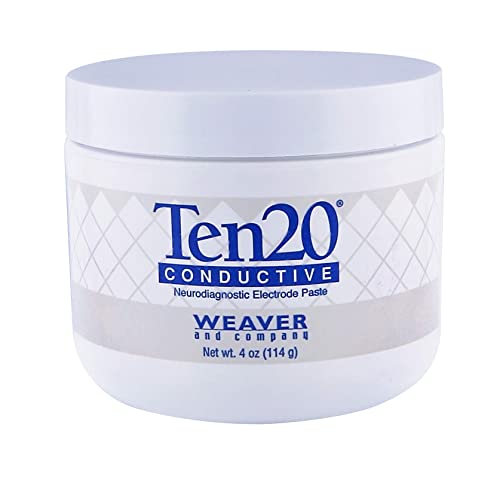
Brand: Balego. This product comes as a 4 oz jar, with a pack of three jars available for larger projects or ongoing maintenance. It is a general-purpose conductive paste designed for consistent electrical contact in low-voltage applications.
Best for: DIY projects and routine maintenance of electrical joints where moderate, steady conductivity is needed. Reason for selection: The multi-jar option supports recurring use without frequent re-purchases.
Caution: Not a specialized high-temperature or ultra-high-current solution; verify compatibility with your specific contact materials before use.
FOTU 571 Electrical Contact Grease

Brand: FOTU. This product provides a non-corrosive film for switches and contacts, lubricating and protecting metals from wear, oxidation, and corrosion. It uses a tunnel-effect mechanism to facilitate electron passage across thin insulating layers, enhancing conductivity at the contact surface.
Best for: Electrical connections exposed to moisture and salt exposure, where corrosion resistance is critical. Reason for selection: It combines protective lubrication with a distinctive conductivity approach via the tunnel effect.
Caution: The paste itself is not a high-current conductor; rely on surface contact for conduction and use this as a protective, lubricating layer.
Lubree Carbon Conductive Paste 100 mL

Brand: Generic. This carbon-based paste is designed to maintain electrical continuity on mating, moving, or corroded low-voltage contacts. It is thick, temperature-stable, and intended for repeat maintenance on pressure-bearing contact surfaces. It also helps limit moisture ingress to reduce corrosion.
Best for: Low-voltage connectors and terminals in environments with moisture risk. Reason for selection: The carbon base provides durable continuity and moisture resistance for persistent contact reliability.
Caution: Not suitable for high-current power connections where heavy current would demand metal-based conductors with higher conductivity.
Balego Conductive Paste 8 oz Jar

Brand: Balego. This option offers a larger 8 oz jar, suitable for bulk use or larger projects where frequent maintenance of contacts is expected. It follows Balego’s general-purpose conductive paste approach for stable electrical contact.
Best for: Projects requiring multiple applications or extensive maintenance with a single product. Reason for selection: The larger jar reduces replacement frequency and aligns with ongoing repair workflows.
Caution: Confirm compatibility with your exact contact materials to avoid any unintended interactions with specialty metals.
Buying Guide
What type of conductive paste should I choose?
Choose based on temperature tolerance and the electrical environment. For high-temperature automotive or power systems, pick copper-based or high-temp formulations. For corrosion-prone or moisture-rich settings, consider paste with corrosion resistance and tunnel-effect conductivity.
Is conductive paste always needed?
Many electrical connections benefit from a conductive paste to reduce arcing, minimize contact resistance, and protect metal surfaces. It is especially useful for connectors, switches, and joints that experience vibration, moisture, or aggressive temperatures.
How should I apply conductive paste?
Apply a thin, even layer on the contact surface, then assemble the joint. Avoid applying excess paste that could squeeze into unintended areas or create shorts. Allow any curing or film formation per product guidance before subjecting the assembly to operation.
What are common limitations to watch for?
Some pastes are designed for lubrication rather than heavy current conduction. Do not substitute a protective paste for a conductor in high-current paths. Surface preparation remains critical for consistent contact.
What should I test after installation?
Check for continuity and resistance at the joint, ensure no arcing under load, and verify that moisture exposure does not degrade the connection over time. In corrosive environments, reapply per maintenance intervals to sustain protection.
Practical tips for buyers
- Match paste temperature tolerance with your operating conditions.
- Prioritize corrosion resistance for outdoor or salt-prone environments.
- Consider jar size based on project scale and maintenance frequency.
FAQ
- What is conductive paste used for in electronics?
- Is copper-based conductive paste better for high temperatures?
- Can conductive paste replace solder?
- How do I choose between a 4 oz and an 8 oz jar?
- Should I worry about the tunnel effect mentioned in some pastes?
- Are there safety considerations when using conductive pastes?
It improves electrical contact, reduces resistance, protects metals from corrosion, and can provide lubrication in moving joints.
Yes, copper-based pastes tend to offer stronger high-temperature performance and greater conductivity in demanding environments.
Not in most high-current or permanent joints; paste is typically a protective or lubricating layer. Solder forms a permanent electrical connection.
Choose 4 oz for small projects and 8 oz for repeated maintenance or larger systems to reduce replacement frequency.
The tunnel effect describes electron movement across a thin insulating layer and is a theoretical explanation for some conductive pastes. In practice, rely on the product’s stated conductivity and intended use.
Follow manufacturer guidelines, use proper protective gear as needed, and avoid skin contact with concentrated compounds. Ensure proper ventilation if fumes or solvents are present.