Best DCC Controller for Beginners: Essential Picks and Tips
For newcomers to model railroading, choosing a DCC controller can feel overwhelming. This guide highlights beginner-friendly options that simplify wiring, programming, and operation while supporting future expansion. Each product below offers straightforward controls, easy installation, and reliable performance to help you start running trains with confidence.
Summary of the chosen products
| Product | Brand | Key Benefit |
|---|---|---|
| Bachmann Trains — POWER PACK w/SPEED CONTROLLER | Bachmann | Simple analog-to-DCC progression and speed control for multiple scales |
| The Digitrax Big Book of DCC | Digitrax | Comprehensive reference for beginners and hobbyists |
| Bachmann Trains — DCC Control Box with Turnout DECODER | Bachmann | Turnout upgrade to DCC with internal decoder |
| Bachmann Trains — Roaring Rails DCC Sound Value Ready to Run | Bachmann | Ready-to-run DCC sound locomotive set |
Bachmann POWER PACK: Simple DCC Introduction
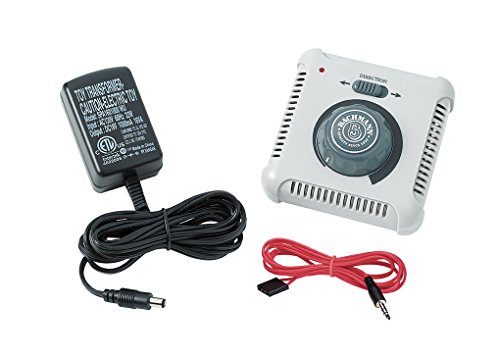
The Bachmann POWER PACK w/SPEED CONTROLLER (not DCC compatible) serves as an accessible entry point for beginners who want to understand basic power and speed control before transitioning to full DCC operation. While not a DCC system, it supports N, HO, and On30 scales and includes a power pack with a speed control knob. This helps new users learn throttle control and train responses in a familiar analog setup, providing a foundation for later DCC upgrades.
Features include: a built-in speed control knob for intuitive adjustment, compatibility with multiple scales (N, HO, On30), and a practical starting point for understanding train dynamics and power delivery. For absolute beginners, it’s a straightforward way to practice basic electrical control and maintenance before investing in a dedicated DCC controller.
The Digitrax Big Book of DCC
The Digitrax Big Book of DCC is a foundational reference for beginners exploring digital command control. While not a hardware controller itself, this book introduces essential concepts such as DCC basics, decoding, programming, and system setup. It complements hands-on practice by offering clear explanations, diagrams, and troubleshooting tips that help new operators build confidence in configuring layouts and choosing the right hardware for future expansion.
Key considerations from this resource include understanding how DCC commands translate into locomotive actions, identifying common decoder types, and planning layout upgrades. For beginners, the book acts as a trusted companion to bridge theory and practical application while you evaluate different controllers and accessories.
Bachmann DCC Control Box With Turnout DECODER

This Bachmann DCC Control Box with Turnout DECODER is designed to upgrade analog turnout operations to DCC compatibility. With an installed turnout decoder inside the control box, it simplifies the transition by allowing you to replace your manual turnout controls with a DCC-ready solution. This option is ideal for beginners who want practical hands-on experience with turnout automation while laying a foundation for broader DCC adoption across your layout.
Highlights include: easy upgrade path for existing turnouts, integrated decoder for turnouts, and a compact, user-friendly interface. The setup supports incremental learning—you can start with simple point-to-point control and progressively integrate more DCC features as you grow more comfortable with the technology.
Bachmann Roaring Rails DCC Sound Value Set

The Bachmann Roaring Rails DCC Sound Value Ready to Run Electric Train Set provides a complete introduction to DCC with onboard sound. This N-scale starter set includes a DCC sound locomotive, a powered main, and additional cars, giving new users a tangible example of what a fully integrated DCC system can offer. The onboard sound adds realism to the operation and helps beginners appreciate the benefits of DCC control, such as smoother speed transitions and better locomotive performance.
Important features include: a DCC sound-equipped GP40 locomotive, operating headlight, and included rolling stock. While designed as a ready-to-run package, it also serves as a practical demonstration of how DCC improves control, speed regulation, and overall realism on a layout, making it a valuable reference point for first-time buyers evaluating future upgrades.
Buying Guide: Key Purchase Considerations
- System compatibility: Determine whether you want a complete DCC system (throttle, booster, decoders) or a starter option that includes track power and basic control. Consider future expansion needs in your layout.
- Ease of use: Look for intuitive throttles, clear programming instructions, and readily accessible manuals. Beginners benefit from systems with straightforward wiring and setup.
- Decoder support: Ensure the system supports the locomotives you plan to run and that you can add decoders to existing engines as you progress.
- Turnout control: If your layout includes turnouts, consider options with integrated turnout decoders or simple upgrade paths to DCC-enabled turnout control.
- Sound and realism: DCC can enable onboard sound and smoother speed control. A starter set with sound is helpful for learning how to program and manage sound features.
- Educational resources: Books and guides, like The Digitrax Big Book of DCC, complement hands-on practice and help you build a solid foundation.
- Layout size and power needs: Assess the size of your layout and the current draw of your locomotives to avoid overloading the system. Plan for future expansion with appropriate boosters or power packs.
- Budget vs. future-proofing: Start with a scalable system that offers easy upgrades. Avoid overly simplistic options that may require a full replacement later.
- Maintenance and support: Check for customer support, online forums, and user communities. Helpful resources can reduce the learning curve and troubleshoot issues quickly.
- Educational storytelling: Use a mix of books and hands-on practice to connect theory with actual throttle control, speed steps, and turnout programming.