Best Foam Windscreens for Microphones: Smooth Your Sound and Cut Wind Noise
When you’re selecting a foam windscreen for a microphone, you want a balance of fit, noise reduction, and durability. This guide highlights five dependable options that suit common handheld mics, lapel mics, and USB condensers. Best for podcasters, performers, and event staff, these windscreens reduce plosives, wind noise, and saliva splash while preserving vocal clarity. The following table summarizes key details to help you compare quickly.
| Product | Best For | Fit Type | Notable Benefit |
|---|---|---|---|
| Mudder 5 Pack Foam Mic Cover | General handheld mics | Standard handheld | Thick, soft foam; easy to install |
| LEFXMOPHY SM58 Windscreen 3-pack | Shure-style dynamic mics | Standard round windscreen | Snap-on fit; blocks plosives; dust protection |
| Sunmns 10 Pack Mini Windscreen | Spare for many mics; travel kits | Mini size, versatile fit | High-value pack; breathable material |
| QIEIMUFHD 6 Pack Foam Covers | KTV, stage, podcasting | Standard handheld | Premium thick foam; good noise reduction |
| HIYANCO 2 Pack Foam Mic Cover | Home studio and travel | Standard handheld | Washable; keeps mic clean |
Mudder 5 Pack Foam Mic Cover Handheld Microphone Windscreen

The Mudder set includes five foam mic covers sized for most standard handheld mics, with a 1.4-inch caliber and 2.9 x 2.5 inch footprint. Best for: event hosts, teachers, and field reporters who need spare windscreens on hand. The thick foam enhances wind noise reduction while maintaining voice clarity. Caution: not suitable for headset mics, which may require a smaller windscreen or a dedicated headset cover.
LEFXMOPHY SM58 Windscreen 3-Pack

Designed to fit Shure SM58/SM48 families, this three-pack offers a windscreen with a shape matching the original and simple snapping onto the mic. Best for: users with Shure-style dynamics seeking drop-in protection from pops, wind, and dust. It provides a snug fit that helps prevent mic slippage. Limitation: compatibility is strongest with Shure-style mics; check your model before buying.
Sunmns 10 Pack Mini Small Windscreen

Sunmns offers a bulk option suitable for many standard lapel and headset mics in a compact size. Best for: producers needing quick replacements during events or on-the-go setups. The breathable material helps voice clarity while reducing wind noise. Caution: small size may not fit all larger handheld mics; verify diameter and length before purchasing.
QIEIMUFHD 6 Pack Foam Covers

This six-pack emphasizes thick, durable foam with an overall 2.8 x 2.3 inch footprint and a 1.4-inch caliber, designed to fit most standard handheld microphones. Best for: classrooms, karaoke nights, and home studios that require a reliable, long-lasting windscreen. Advantage: strong noise reduction without muffling the voice. Limitation: not suited for headset mics, which may need a smaller diameter.
HIYANCO 2 Pack Foam Mic Cover
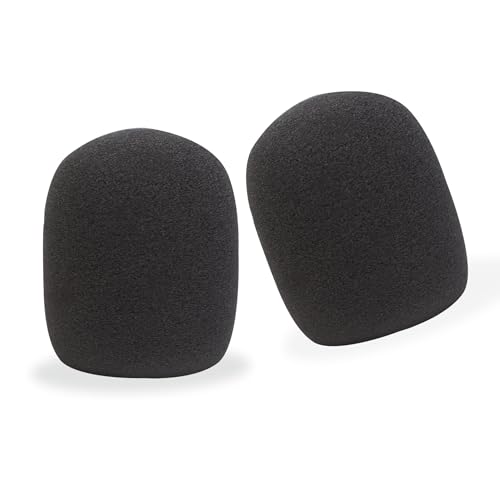
Two-piece set designed for most standard handheld mics with a 2.95 x 2.67 inch dimension and a 1.5-inch caliber. Best for: studio setups and field reporting where sanitization and washability matter. These covers are washable, helping maintain hygiene in shared environments. Caution: larger mics may require a bigger windscreen depending on the model.
Buying Guide
What should you consider when choosing a foam windscreen?
- Fit and size: Confirm the diameter (caliber) and overall footprint to ensure compatibility with your mic model.
- Material density: Thicker foams reduce wind and plosive noise but may slightly affect high-end clarity; balance with your voice needs.
- Compatibility: Some windscreens are intended for specific mic families (for example, Shure SM58) or headset mics; verify before purchase.
- Durability and care: Washable foams offer long-term value in shared environments; check cleaning recommendations.
- Quantity vs. price: Bulk packs reduce replacement downtime for events but ensure you actually need multiple covers.
What is a foam windscreen best for?
Foam windscreens primarily reduce plosives, wind noise, and saliva splash. They also protect the microphone from dust and moisture, extending its life in casual or on-location use. For vocal work in KTVs, broadcasts, and live events, a thicker foam often yields better protection against wind gusts and sudden breath.
How should you care for foam windscreens?
Most foam windscreens are washable or can be wiped clean. Let them air dry completely before reusing. Avoid exposing windscreens to high heat, which may deform the foam and compromise fit.
Which windscreen should you choose?
Choose this if you need a cost-effective, general-purpose option for handheld mics. Choose that if you have a Shure-style mic and desire a snug fit. Opt for a bulk pack when you frequently replace windscreens during events or in group settings. Consider a smaller size for lapel or headset mics to ensure proper fit and performance.
Quick-reference buying tips
- For Shure SM58-class mics, prioritize a replacement windscreen with a snug, snap-on fit.
- For shared stages and classrooms, washable options save time and maintain hygiene.
- For travel or on-the-go recording, compact or mini windscreens are convenient, but verify compatibility with your mic diameter.
FAQ
- What is the primary purpose of a foam windscreen?
To reduce wind noise and plosives, protecting the mic from saliva and dust while improving audio clarity.
- Will a larger foam windscreen improve sound?
Not necessarily; overly thick foam can affect high-frequency warmth. Choose based on mic type and typical wind exposure.
- Are these windscreens compatible with all handheld mics?
Most standard handheld mics fit the listed sizes, but always check diameter and length before buying.
- Can I wash foam windscreens?
Many are washable; follow manufacturer instructions and let them dry completely before reuse.
- Do foam windscreens protect against spit during performances?
Yes, they help reduce moisture contact and spittle, which can extend mic life in live settings.
- Should I use a windscreen and a pop filter together?
Windscreens and pop filters serve different purposes. A foam windscreen reduces wind noise, while a pop filter targets plosives during close-mic vocal recording.