Best Garmin Watches for Skiing and Winter Adventures
Finding the right Garmin watch can improve your skiing experience by tracking performance, monitoring health, and navigating trails. This guide highlights five top Garmin models that excel on the slopes, from rugged outdoor options to premium multisport smartwatches. Each product section includes a quick overview, key features, and how it supports winter sports. Use the buying guide at the end to compare options based on battery life, display quality, and ski-specific features.
| Product | Why It Stands Out On The Slopes |
|---|---|
| Garmin Instinct E 45mm | Rugged build, long battery life, MIL-STD-810 resilience, 10 ATM water resistance |
| Garmin Forerunner 965 | Colorful AMOLED display, detailed training metrics, built-in maps for routes |
| Garmin epix Pro (Gen 2) Sapphire Edition | High-end AMOLED with sapphire lens, advanced training tech, night lighting |
| Garmin Instinct 2X Solar – Tactical Edition | Solar charging, robust design, extended battery life in outdoor conditions |
| Garmin vívoactive 6 | AMOLED display, broad health insights, solid daily wear with long battery |
Garmin Instinct E 45mm: Rugged Outdoor GPS Smartwatch
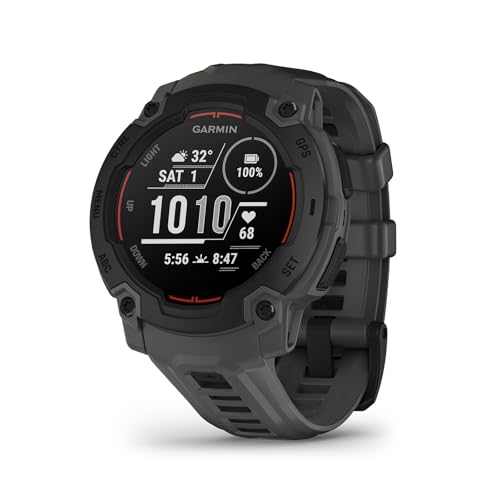
The Garmin Instinct E 45mm is built for harsh winter environments, combining a rugged design with practical ski features. Its 16-day battery life in typical use helps ensure it won’t require frequent recharges during multi-day trips on the mountain. The watch is rated to 10 ATM water resistance and engineered to MIL-STD-810 for thermal and shock resilience, making it a dependable companion in cold and wet conditions. Health monitoring features provide wrist-based heart rate and advanced sleep tracking to help you optimize recovery between runs. While not a medical device, these metrics offer a close estimation of your body’s status, including Pulse Ox in supported regions. For skiers who value durability and consistent tracking, the Instinct E balances ruggedness with useful analytics.
Key considerations for skiing with this watch:
- Pros: Excellent durability, long battery life, reliable health metrics, easy-to-use interface, comfortable for all-day wear
- Cons: Display may be less vibrant than higher-end models in bright sun or deep powder; fewer advanced skiing-specific maps than premium models
Garmin Forerunner 965 Running Smartwatch

The Forerunner 965 blends a vibrant AMOLED display with powerful training metrics, making it a strong choice for skiers who want detailed performance data on the slopes. The color touchscreen, combined with traditional button controls and a lightweight titanium bezel, delivers a sleek yet rugged feel. Battery life in smartwatch mode extends up to 23 days, with GPS mode offering substantial endurance for long ski tours or backcountry sessions. Built-in full-color maps and multi-band GPS help you confidently navigate routes, lift systems, and varied terrain. This model supports in-depth training analytics and recovery insights to help you plan effective ski workouts and peak performance periods.
Highlights for skiing applications:
- Pros: Bright display, long battery life, map-based navigation, robust GPS
- Cons: More features oriented to running and training; may be heavier than minimalist ski watches
Garmin Forerunner 165: Running Smartwatch With Recovery Insights

The Forerunner 165 offers an approachable design with a brilliant AMOLED display and actionable training metrics, including recovery insights that can help skiers manage fatigue during back-to-back ski days. With built-in GPS and a 43 mm lightweight profile, the watch stays comfortable on long lift rides and runs. Battery life in smartwatch mode reaches up to 11 days, and up to 19 hours in GPS mode, which suits multi-day ski trips where charging opportunities are limited. It supports personalized workouts that adapt to performance, and programs like Garmin Coach to tailor training plans around events or competitions on the slopes.
Practical ski considerations:
- Pros: Clear display, adaptive training plans, comfortable for everyday wear
- Cons: May lack some ultra-rugged features of the top-tiers models; maps are not as expansive as epix Pro
Garmin epix Pro (Gen 2) Sapphire Edition: 47mm High-Performance

The epix Pro Gen 2 Sapphire Edition is a premium option with a 1.3-inch always-on AMOLED display and a scratch-resistant sapphire lens, paired with a titanium bezel for durability in cold-weather conditions. Its built-in LED flashlight adds nighttime visibility during low-light skiing or after-hours adventures. A standout feature is the hill score, which measures running strength and endurance during ascents, helping you gauge your conditioning over time. While ski-specific mapping is robust, the real value lies in the depth of training analytics, night-time usability, and rugged construction that can handle rough winter environments. This model is best for skiers who demand top-tier visuals and advanced performance tracking.
Considerations for this model on the mountain:
- Pros: Superior display, durable build, night illumination, advanced training metrics
- Cons: Higher price; heavier than some sport-focused watches
Garmin Instinct 2X Solar – Tactical Edition

The Instinct 2X Solar Tactical Edition emphasizes extended outdoor endurance with Solar charging that can push battery life significantly in direct sunlight. Its 50 mm polymer case provides rugged durability, meeting U.S. military standard 810 for thermal and shock resistance, essential for challenging alpine conditions. A built-in flashlight adds practical utility during dawn or dusk runs or backcountry climbs. The Solar Power Glass lens extends battery life, delivering more standby hours when you’re exploring after a fresh snowfall. For skiers who prioritize autonomy and resilience in remote locations, this model offers a compelling balance of ruggedness and battery efficiency.
Notes for ski use:
- Pros: Extended battery life in sunlight, robust ruggedness, useful flashlight
- Cons: Solar charging effectiveness depends on sun exposure; heavier than non-tactical watches
Garmin vívoactive 5: Health and Fitness GPS Smartwatch

The vívoactive 5 blends health-focused metrics with an AMOLED display for clear visibility in snowy light. Its battery life reaches up to 11 days in smartwatch mode, and it provides Body Battery energy monitoring, which helps you gauge readiness for a day on the slopes. Sleep tracking and HRV insights contribute to a broader understanding of recovery and overall wellness, important for consistent ski performance. The watch offers a balanced package for skiers who want strong health data without needing a high-end triathlon-focused device.
Choosing this model for skiing involves considering:
- Pros: Strong health analytics, bright display, comfortable daily wear
- Cons: Not as feature-rich for advanced ski mapping as epix Pro or Forerunner 965
Buying Guide: Key Considerations For Skiing
When selecting a Garmin watch for skiing, consider these factors to match your needs:
- Durability and water resistance: Look for MIL-STD-810 or similar rugged ratings and at least 10 ATM water resistance for snow, ice, and spray.
- Display quality: AMOLED displays offer vivid visuals in bright, icy conditions, while transflective options excel in direct sun and glare.
- GPS and mapping: Built-in maps, multi-band GPS, and ski-specific route tracking help navigate lifts, backcountry routes, and powder lines.
- Battery life: Multi-day trips require long battery life in smartwatch mode plus solid GPS endurance; consider solar charging models for remote use.
- Health and recovery metrics: Wrist-based heart rate, Sleep, Pulse Ox, HRV, and Body Battery help plan days with variable ski intensity and rest needs.
- Navigation aids: Quick access to waypoints, routes, and compass features is valuable when visibility is reduced by weather.
- Weight and comfort: Lightweight designs reduce fatigue during long ski sessions, especially if you wear gloves and mittens.
In summary, the right Garmin watch for skiing balances ruggedness, battery life, display comfort, and ski-ready features. Researchers and athletes may prioritize models with richer training analytics and maps, while casual skiers may prioritize durability and everyday usability. The five watches covered here offer varied strengths to align with different ski trips and preferences.