Best GoPro for FPV: Top Action Cameras for Fast-Paced Flying
FPV flying demands compact, rugged, and feature-rich cameras that can handle high speeds, tight turns, and dramatic perspectives. The following picks highlight GoPro models and compatible accessories that deliver stable footage, versatile lens options, and reliable performance in dynamic flight scenarios. This guide compares built-in stabilization, video resolution, battery efficiency, and expandability to help you choose the best GoPro for FPV adventures.
| Product | Brand |
|---|---|
| GoPro HERO13 Black | GoPro |
| GoPro HERO12 Black | GoPro |
| GoPro MAX2 | GoPro |
| GoPro HERO13 Black Extended Power Bundle | GoPro |
| Honlyn Mount Adapter Bracket | Honlyn |
GoPro HERO13 Black: Transformative Lens Compatibility

The HERO13 Black introduces HB-Series Lens Mod compatibility, enabling rapid changes for specialized FPV shots. Auto-detection allows seamless switching between Ultra Wide, Macro, and other lens options, with in-camera adjustments to optimize exposure and color. With 5.3K video up to 60 frames per second and 27MP photo capture, this model preserves crisp detail during high-speed maneuvers. The Burst Slo-Mo feature provides dramatic 13x slow-motion capture at 5.3K, ideal for analyzing flight paths and adding cinematic flair.
GoPro HERO12 Black: HDR Clarity for Fast Action

The HERO12 Black emphasizes HDR video and photo quality, delivering dynamic color during mixed lighting conditions common in FPV flying. Its 5.3K 60fps capture and 27MP stills maintain sharpness through rapid motion. HyperSmooth 6.0 stabilization reduces shake, helping footage remain usable when the drone experiences turbulence or quick pans. It also supports live streaming and webcam use, allowing real-time monitoring or post-flight analysis with a stable baseline image.
GoPro MAX2: 360 and Traditional POV For FPV
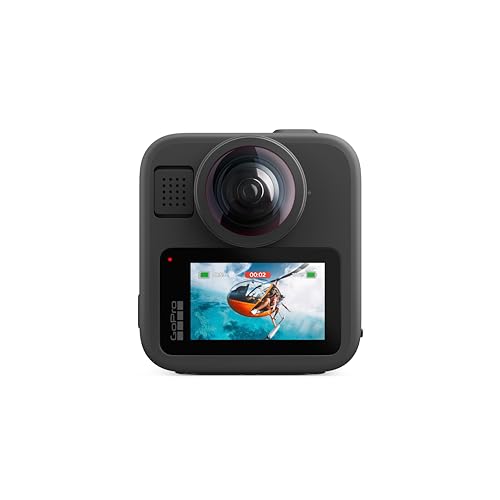
MAX2 blends advanced 360 capture with traditional action camera capabilities. True 8K 360 video lets you reframe footage post-flight to create diverse angles without re-flighting. Replaceable lenses broaden creative options, while multiple microphones capture immersive audio. HyperSmooth stabilization helps smooth out heavy vibrations during aggressive FPV sequences, and horizon lock helps maintain a stable horizon across varied flight attitudes. This model is ideal for pilots who want versatile post-production options and immersive POVs.
GoPro HERO13 Black Extended Power Bundle

This bundle outfits the HERO13 with extended endurance for longer FPV sessions. It includes the Dual Battery Charger, additional Enduro batteries, a 64GB SanDisk microSD card, and a protective camera case. The camera itself supports HB-Series Lenses and Auto Detection, ensuring quick transitions between lenses like Ultra Wide or Macro while maintaining optimal exposure. The combination provides more flight time between landings and a robust kit for field repairs or extended scouting missions.
Honlyn Mount Adapter Bracket for GoPro and DJI FPV

The Honlyn adapter bracket expands mounting compatibility for FPV builds. It supports DJI FPV drones and various GoPro models (12, 11, 10, 9) while also offering extension and 1/4 screw adapter options. This accessory enables flexible mounting configurations on multi-rotor platforms and other action-cam rigs, reducing integration time and allowing pilots to test different camera angles with ease.
Buying Guide
Key purchase considerations for FPV GoPro setups include compatibility, stabilization, and lens flexibility. Choose a model with robust electronic stabilization (HyperSmooth or similar) to minimize vibrations from fast throttle changes and hard landings. Lens ecosystems (HB-Series) offer versatility for different flight styles, from wide landscapes to macro close-ups of gear touching the propellers. Battery life and accessory availability are critical for longer sessions; bundles with extra batteries and chargers reduce downtime. For immersive storytelling, a 360-capable model or modular lens options provide post-flight flexibility to reframe footage. Finally, consider the weight and dimensions to ensure the camera fits your frame without significantly impacting flight dynamics.
Perspective considerations include: (1) Primary use—ace high-speed racing versus cinematic FPV storytelling; (2) Environment—bright outdoor daylight requires HDR or strong dynamic range; (3) Post-production workflow—whether you want immediate live streaming or offline editing; (4) Upgrade path—whether you value future lens compatibility or plan to build around a specific ecosystem; (5) Mounting options—being able to switch between top, bottom, or gimbal-like configurations for different flight silhouettes.
FPV pilots should also evaluate durability and waterproofing for all-weather flights, although many FPV sessions occur in controlled environments. If you frequently swap lenses for particular shots, ensure your camera supports quick lens changes and automatic exposure adjustments to reduce in-field tuning. Finally, confirm that your chosen accessories (mounts, brackets, and adapters) are compatible with your drone frame and comply with safety and regulatory guidelines for your region.