Best Noise-Sensitive Headphones for Quiet, Comfortable Listening
If you have noise sensitivity or sensory needs, you want hearing protection that reduces sound without isolating you completely. This guide highlights five top Amazon picks designed for comfort, reliable noise reduction, and everyday use—from concerts and fireworks to busy classrooms and work sites. Each option targets a different user profile, such as kids, teens, or adults, helping you choose the right fit based on head size, activity, and sensitivity level. Below is a quick summary table of the recommended products.
| Product | Best For | NRR/SNR | Notes |
|---|---|---|---|
| Dr.meter Ear Muffs EM100 (Kids) | Kids and sensory-sensitive families | 27.4 dB SNR | Memory foam comfort; adjustable headband |
| Dr.meter Ear Protection (Adults & Kids) | Mixed ages; louder environments | 31 dB SNR | All-day comfort; versatile use |
| Pro For Sho 34dB NRR (Grey) | High-noise events; sensory needs | 34 dB NRR | Slim, pocketable design |
| ProCase NRR 28dB (Black) | Everyday use; study and work | 28 dB NRR (34 dB SNR) | Fully adjustable; foldable |
| ProCase Kids Noise Cancelling (Red) | Children aged 3–15 | 24 dB NRR | One-size-fits-all; lightweight |
Dr.meter Ear Muffs for Noise Reduction (Kids)

Best for: noise-sensitive kids and parents seeking a comfortable, adjustable fit. The EM100 uses memory foam with PU leather padding to create a breathable seal, reducing harmful decibels at events like Monster Jam or fireworks while keeping voices clear for conversation. The headband is adjustable to fit toddlers through teens and even adults, which helps families share a single pair. A caution: first-time wear may feel snug, but loosening tips are provided.
Dr.meter Ear Protection Ear Muffs (Adults & Kids)

Best for: mixed-age households or individuals needing higher noise reduction in loud environments. This model offers a 31 dB SNR reduction with ABS shells and triple-layer foam. The headband is adjustable to fit a wide range of head sizes, from kids to adults. A caution: despite the strong protection, the earmuffs do not mute all sound, so voices may still be audible in very loud settings.
Pro For Sho 34dB NRR Ear Muffs (Grey)
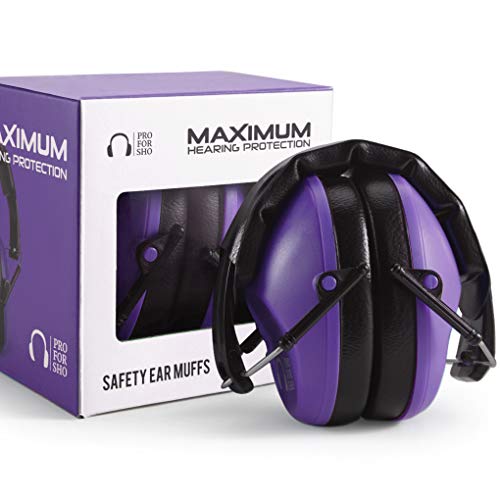
Best for: high-noise environments like shooting ranges, loud concerts, or sensory overload situations. This compact earmuff offers 34 dB NRR in a slimmer profile and includes a break-in period to loosen the fit. It is fully adjustable to fit both kids and adults. A caution: some users may need a brief wearing break-in period to achieve the best seal and comfort.
ProCase NRR 28dB (Black)

Best for: everyday use, studying, and light noise environments. This model provides 28 dB NRR with a high SNR of 34 dB, and features an adjustable metal frame and padded headband for even pressure distribution. It folds compactly for travel and storage. A caution: while comfortable, the fit may become tight for larger heads without proper break-in time.
ProCase Kids Noise Cancelling Headphones (Red)

Best for: younger children in need of sound reduction and a durable, adjustable fit. The ProCase kids model offers NRR 24 dB and is ANSI S3.19 and CE EN352-1 certified. It is designed to fit children aged 3–15 with retractable, rotatable ear cups for growth. A caution: smaller NRR means less protection in extremely loud environments; use in appropriate settings.
Buying Guide: Key Purchase Considerations
- Who needs protection most: kids, teens, or adults? Pick a model with an adjustable band and smaller-to-larger sizes as needed.
- Noise reduction rating: higher NRR/SNR provides stronger protection, but also consider comfort and fit.
- Comfort features: memory foam, PU leather, headband padding, and breathable materials reduce fatigue during long use.
- Portability: foldable designs are better for travel and daily carry in bags or pockets.
- Use-case alignment: choose a model tuned for concerts, fireworks, hunting ranges, or classroom settings based on your activity.
- Safety certifications: look for ANSI S3.19 or CE EN352-1 where applicable to ensure standard compliance.
Frequently Asked Questions
- What is the difference between NRR and SNR?
Answer: NRR (Noise Reduction Rating) reflects US lab testing for hearing protection. SNR (Single Number Rating) estimates average attenuation, used in many European standards. Both indicate protection level, but NRR is more directly applicable in the US. - Are these earmuffs suitable for children with autism or sensory processing challenges?
Answer: Yes, several models are designed to reduce overwhelming noise while still allowing conversation, which can aid concentration and calming. - Will higher NRR mean i cannot hear anything?
Answer: No. Even with higher NRR, most earmuffs reduce decibels while preserving some audible cues. They do not create complete silence. - How do I know if they will fit my child or adult head?
Answer: Look for adjustable headbands, retractable cups, and sizes labeled for kids, teens, or adults. Break-in time may improve fit for certain models. - Is portability important for everyday use?
Answer: Yes. Foldable earmuffs are easier to carry, especially for travel, sports events, or daily commutes.