Best Headphones for Sensory Issues: Comfort, Safety, and Clear Hearing
When shopping for headphones or earmuffs for sensory needs, look for models that balance comfort, effective noise reduction, and the ability to hear essential surroundings. The following picks target noise sensitivity, autism-friendly listening, and concentration support without fully muting important sounds. These options suit parents shopping for children, caregivers assisting adults with sensory processing, and individuals seeking calmer environments during loud events.
Buyer types covered in this guide include: parents seeking gentle protective gear for younger kids; adults who need reliable hearing protection for work or events; and individuals who want earmuffs that are comfortable for long wear. The table below summarizes five top picks and their core strengths.
| Product | Best For | Noise Reduction (SNR) | Key Benefit |
|---|---|---|---|
| Dr.meter EM100 Ear Muffs | Kids and teens with sensory needs at events | 27.4 dB | Balanced protection with voice clarity |
| Dr.meter 31dB Earmuffs | Adults and older teens in loud spaces | 31 dB | Higher protection with comfortable fit |
| iClever Kids & Adults Muffs | Children with autism or sensory overload | 29 dB | ANSI/CE safety certifications, foldable |
| ProCase Kids Earmuffs | Younger children and toddlers | 27 dB | One-size-fits-all design, adjustable |
| PROHEAR 032 Kids Earmuffs | Kids aged 3–12 and families | 25 dB | Vivid colors, durable padding |
Dr.meter Ear Muffs for Noise Reduction (EM100)

Best for: kids, teens, and adults who want gentle, recognizable sound cues while reducing harmful decibels. The EM100 uses memory foam padding with PU leather to create a breathable seal that remains comfortable during long events such as monster jams or fireworks. Designed to minimize itching or pressure marks, it helps maintain focus without blocking all ambient conversation.
Why chosen: The 27.4 dB SNR protection offers a middle-ground balance of comfort and effectiveness. It reduces loud noise while preserving enough environmental sound to hear important cues, like a parent’s voice or announcements. This helps children stay engaged and aware in busy venues.
Limitations: It does not mute ambient sound completely, so users should expect some residual noise in extremely loud environments. Proper fit improves performance, and initial tightness can be eased by loosening over time.
Dr.meter Ear Protection 31dB Earmuffs

Best for: adults and older teens who need stronger noise protection in loud settings, including work sites, shooting ranges, and large events. This model emphasizes snug comfort with memory foam and PU leather, providing all-day wearability without pressure marks.
Why chosen: With a higher SNR of 31 dB, this option better reduces background noise while maintaining conversation cues. The combination of ABS shells and triple-layer foam enhances durability and quieter environments for sensory needs.
Limitations: The higher protection can feel more restrictive for some users who require lighter attenuation or more awareness of surrounding sounds. Ensure proper size adjustment for best results.
iClever Noise Cancelling Ear Muffs

Best for: children with autism or sensory sensitivities who need reliable protection that travels well. iClever combines ANSI S3.19-1974 and CE EN 352-1 standards with a dual-sponge system to balance noise reduction and comfort.
Why chosen: The SNR of 29 dB offers substantial protection while keeping the wearer comfortable. The foldable design and BPA-free materials support school or travel use, reducing sensory overload in crowded places like concerts or stadium events.
Caution: Some users may find the earmuffs give a tighter feel at first; loosening over time or using gentle break-in helps improve fit.
ProCase Noise Cancelling Headphones for Kids

Best for: younger children needing gentle protection during travel, monster trucks, or fireworks. ProCase uses a solid ABS shell with thickened foam to achieve 27 dB SNR and is ANSI S3.19 and CE EN352-1 certified for safety.
Why chosen: The adjustable headband and foam padding suit growing kids, offering a snug but comfortable fit across ages. It balances protection with a wear-all-day design for school, concerts, and family outings.
Limitations: The earmuffs can feel tight initially; guidance to stretch over time or using a box to loosen helps with comfort during first uses.
ProFor Sho 34dB NRR Ear Muffs
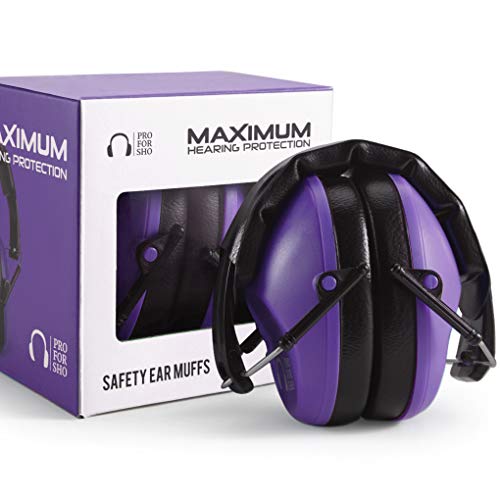
Best for: users needing the highest compact protection for loud events, hunting, or shooting ranges, while retaining a slim form factor. Pro For Sho offers a high NRR in a portable design suitable for travel and active environments.
Why chosen: The 34 dB NRR marks a strong level of protection among compact earmuffs. The design emphasizes a break-in period to unlock full comfort and fit across different head sizes, making it a good option for families with varied ages.
Limitation: Some wearers may experience initial tightness; following the break-in guidance improves the fit over time.
ProCase Kids Noise Cancelling Headphones (Red)

Best for: young children aged 3–15 who require noticeable noise reduction during travel, holidays, or crowded events. The 24 dB NRR helps reduce sensory overload while preserving essential environmental sounds.
Why chosen: The one-size-fits-all design with retractable arms and rotatable cups supports growing children. ANSI and CE certifications reinforce safety expectations for supervising adults.
Limitations: The earmuffs can feel snug initially. Allow time for the headband to loosen to a comfortable fit with consistent wear.
PROHEAR 032 Kids Ear Protection

Best for: kids aged 3–12 who need durable protective gear with vibrant colors for safety and visibility. PROHEAR 032 emphasizes comfort, durability, and a safe fit for ongoing use in busy environments.
Why chosen: The design focuses on comfort with fully padded headbands and rotate cups for better fit across head sizes. It complies with safety standards and keeps kids aware of their surroundings while reducing harmful noise.
Limitation: The bright colors may show wear over time; regular cleaning helps maintain appearance and hygiene for frequent use.
Buying Guide: Key Purchase Considerations
- Intended user: Choose models designed for children if shopping for kids, or those labeled for both kids and adults if sharing a device among family members.
- Noise reduction level: Higher SNR (27–34 dB) provides stronger protection but may reduce situational awareness. Assess whether you need more environmental sound or tighter isolation.
- Fit and comfort: Look for memory foam, padded headbands, and adjustable cups. Break-in periods are common; plan for a short wear-in time.
- Certifications: ANSI S3.19-1974 and CE EN352-1 indicate adherence to recognized safety standards; this matters for frequent or prolonged use.
- Portability and storage: Foldable designs travel easier and are ideal for schools, travel, and events.
- Durability: ABS shells and durable padding extend life in active households with kids or frequent outdoor use.
- Environment suitability: Some models emphasize voice preservation, which helps caregiver communication during concerts or sports events.
Frequently Asked Questions
- What is an acceptable noise reduction level for sensory-sensitive users?
27–31 dB SNR is common for kids and adults; higher levels offer more protection but may reduce ambient awareness. - Can earmuffs completely block all noise?
No. Most models reduce noise to a safer level but do not fully mute surroundings. - Are these earmuffs safe for long-term wear by children?
Yes, when properly fitted and not worn too tightly, they are designed for extended use with break-in guidance. - Should I choose colors or neutral designs?
Colorful designs improve wearability for kids and help with visibility in crowds, while neutral styles suit adults. - Do these products work for adults too?
Many are designed to fit a broad range of head sizes, but check the size range to ensure a comfortable fit for adults.