Best Infrared Trail Camera for Wildlife Monitoring
Choosing a reliable infrared trail camera blends image resolution, trigger speed, night vision range, and battery efficiency. This guide highlights five top options that balance performance and value for American outdoor enthusiasts. Each pick emphasizes infrared capabilities to capture crisp wildlife activity in low light, rain, or night conditions. Use the summary table below to compare key specs at a glance.
| Product | Resolution / Video | Night Vision Range | Trigger Speed | Notes |
|---|---|---|---|---|
| GardePro A3S | 64MP / 1296P | 100 ft | 0.1s | Non-cellular, long exposure image sensor |
| Vikeri 4K 48MP | 4K / 48MP | Up to 100 ft | ≤0.05s | IP66 waterproof, LCD screen |
| GardePro E6 | 48MP / 1296P | Night vision range not specified | Not stated | WiFi + App Live View |
| WOSODA Trail Camera | 40MP / 2K | Up to 90 ft | 0.2s | Rechargeable battery option |
| Vikeri 4K 48MP (Alternate) | 4K / 48MP | Up to 100 ft | ≤0.05s | IP66 waterproof, premium sensors |
GardePro A3S Trail Camera — Non-Cellular
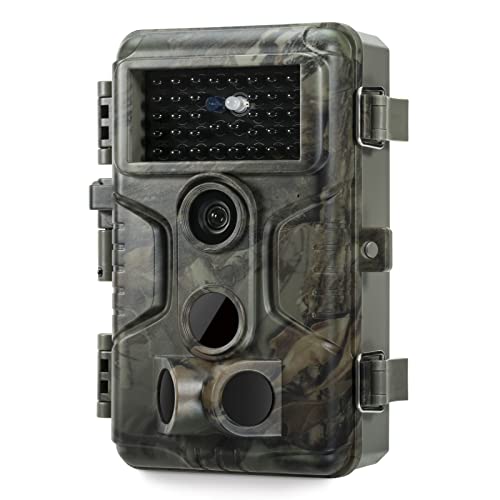
The GardePro A3S offers ultra-high 64MP stills with 1296P HD video and a 0.1-second trigger. It uses a StarVis sensor for strong low-light performance and a night vision reach of up to 100 feet. As a non-cellular model, it emphasizes long, reliable field operation with minimal battery changes. Users seeking discreet wildlife monitoring without wireless connectivity will appreciate the simple, efficient design and sharp nighttime footage provided by the A3S’s high-resolution capabilities.
Key features include a high-quality optical lens, low-light imaging excellence, and a non-cellular approach that reduces disturbance to wildlife while conserving power. The camera is well-suited for seasoned observers and researchers who prefer traditional SD-card workflows and field-ready durability.
Pros and Considerations
- Excellent night-time image clarity with 100 ft range
- Very fast 0.1s trigger for capturing quick wildlife moments
- Non-Cellular design minimizes power use and interference
Vikeri Trail Camera — 4K 48MP
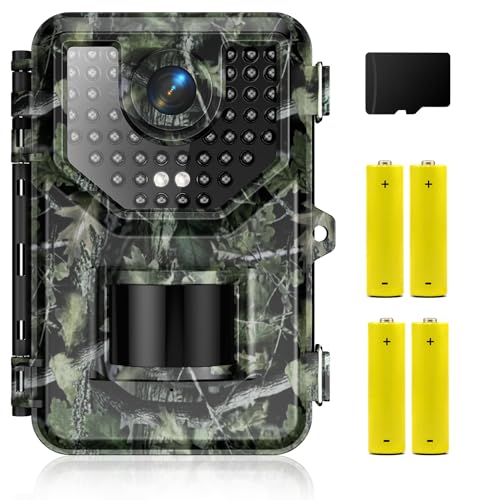
The Vikeri 4K 48MP model delivers ultra-high resolution photos and videos, with a rapid 0.05-second trigger and a 130° wide viewing angle. It’s built for rugged outdoor use with IP66 waterproofing. A built-in 2.4″ LCD screen lets you review footage on-site, and the 30m (100 ft) trigger distance ensures coverage across larger areas. The combination of 4K clarity and robust construction makes this pick a strong option for serious wildlife monitoring and outdoor scouting.
Key features include exceptionally fast triggering, expansive field of view, and weather-resistant build. This camera suits users who want near-professional image quality in a rugged, field-ready device with immediate on-site playback capabilities.
Pros and Considerations
- High-resolution 4K/48MP imagery
- Very fast trigger speed with broad detection distance
- IP66 waterproof rating for harsh environments
TASCO 12MP Trail Camera
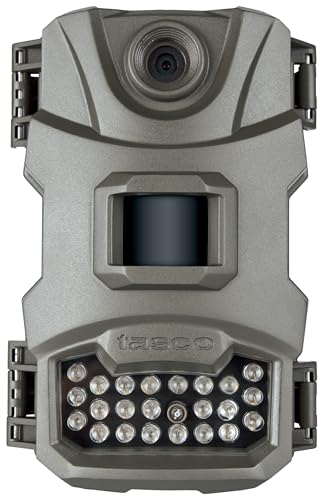
The Tasco 12MP Trail Camera emphasizes reliable 12MP stills with 720p HD video. A PIR motion sensor supports a 70-foot detection range, delivering dependable activity captures. This model provides a balanced entry point for observers who want straightforward operation and a compact, affordable option with dependable performance in varied lighting conditions.
While not packed with the highest resolution, its strength lies in dependable detection, ease of use, and a compact footprint—making it a practical choice for beginners or seasonal hobbyists who prioritize simplicity in an infrared trail camera.
Pros and Considerations
- Decent 12MP resolution with 720p video
- Reliable PIR motion sensing at moderate ranges
- Compact and user-friendly for newcomers
WOSPORTS Trail Camera — 48MP 4K

The WOSPORTS model offers a 48MP 4K experience with a 0.2-second trigger and IP66 waterproofing. A built-in 2.0″ LCD allows quick on-site review, and the 120° wide-angle lens broadens capture coverage. It suits outdoor enthusiasts monitoring wildlife or securing remote properties where weather resistance and fast response times are important for documenting fleeting moments in nature.
Considerations include the balance between image resolution and battery life, as higher-resolution modes may consume more power. The camera’s rugged design and rapid trigger performance make it well-suited for active monitoring across diverse terrains.
Pros and Considerations
- High 48MP / 4K recording for crisp visuals
- Fast 0.2s trigger suitable for active wildlife
- IP66 rating provides reliable protection from rain and dust
WOSODA Trail Camera — 40MP 2K

The WOSODA model combines 40MP stills with 2K video quality and a rechargeable 2200mAh battery. A 0.2-second trigger and a 120° wide-angle lens support broad area coverage. Night vision uses 32 infrared LEDs with an estimated 90-foot range. The included rechargeable option helps extend field use between charges, making it a practical choice for long-term monitoring or remote installations where battery replacement is challenging.
Key advantages include a robust feature set at a reasonable price, smart battery design, and strong visibility in both day and night conditions. Its field-oriented features make it a solid all-around option for wildlife observers and researchers who need reliable performance with flexible power options.
Pros and Considerations
- Rechargeable battery for extended field use
- 40MP stills with 2K video for clear footage
- Wide 120° field of view and solid night vision
Buying Guide: Key Purchase Considerations
When selecting an infrared trail camera, consider resolution needs, trigger speed, night vision range, field of view, and power management. Higher megapixels deliver sharper stills, but may consume more battery. Ultra-fast triggers are valuable for capturing fast-moving wildlife, yet can drain power quicker if used aggressively. A wide viewing angle improves coverage, reducing blind spots in terrain with dense vegetation.
Weather resistance matters in outdoor environments. Look for IP ratings such as IP66 to withstand rain, dust, and extreme temperatures. If you need on-site review, a built-in LCD screen or WiFi/app support can save trips to the camera. Non-cellular options excel in quiet operation and minimal maintenance, while cellular-enabled models provide remote access for remote monitoring.
Power options influence field uptime. Rechargeable batteries extend operating life but require charging plans, while traditional AA or lithium batteries offer simplicity in remote locations. Memory capacity and card durability affect long-term data storage; ensure SD cards are high-endurance and properly sized for your video and photo workload.
Finally, assess brand reputation and service. Trail cameras are often exposed to rough conditions; choosing a model with solid customer support, firmware updates, and reliable sellers helps ensure long-term value. Weigh these factors against your specific scouting goals, whether wildlife documentation, property surveillance, or research deployment.