Best Light Bulbs for Studying: Focus-Boosting Options for Any Space
Choosing the right lighting can influence focus, mood, and productivity during study sessions. The following selections prioritize natural daylight or full-spectrum options designed to reduce eye strain and improve concentration. Each product is evaluated for brightness, color temperature, energy efficiency, and suitability for desks, study nooks, and home offices.
| Product | Brand | Key Feature |
|---|---|---|
| Neporal Full Spectrum Light Bulb, 6000K Natural Sunlight | Neporal | UV-free full spectrum at 6000K; energy-efficient with long life |
| MAXvolador A19 LED Light Bulbs, 100W Equivalent | MAXvolador | 13W, 1500 lm, daylight 5000K; high CRI for accurate colors |
| Norb NorbFOCUS LED Full Spectrum Bulb | Norb | Full spectrum designed to support focus and learning |
| EVELOR 6-Packs A19 LED Bulbs, 100W Equiv | EVELOR | 13W, 1500 lm, 5000K daylight; energy efficient and steady |
| Xtricity T2 CFL Bulbs, 5000K Daylight | Xtricity | 13W CFL, 900 lm, instant-on daylight |
The following sections detail each option’s strengths for studying environments, including desk setups, dorm rooms, and home offices.
Neporal Full Spectrum Light Bulb 6000K Natural Sunlight

Neporal’s full-spectrum bulbs simulate natural sunlight at 6000K, using UV-free LED chips to deliver revitalizing brightness. This neutral daylight helps counter fatigue and mood dips associated with dim lighting, which can support longer, more focused study sessions. The bulbs are energy-efficient, using only 9W while providing around 800 lumens—the light level of a 60W incandescent—reducing electricity use and maintenance costs. With a long life expectancy up to 30,000 hours, these bulbs offer extended value for classrooms, desks, and living spaces.
MAXvolador A19 LED Light Bulbs, 100W Equivalent
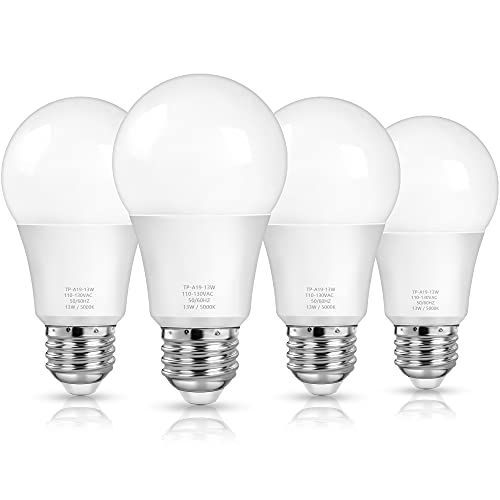
MAXvolador LED bulbs replace traditional 100W incandescents with 13W LEDs, delivering up to 1500 lumens of daylight white light around 5000K. The high color rendering index (CRI 85+) helps colors appear natural, which can aid reading and note-taking. These bulbs are designed for long life, rated over 25,000 hours, and they reduce heat output, making them suitable for extended study sessions in desks, offices, or workspaces where steady, bright illumination matters.
Norb NorbFOCUS LED Full Spectrum Lamp

The NorbFOCUS bulb uses a full-spectrum approach designed to support focused learning, memory, and reading tasks. Its spectrum mimics natural light cues that help maintain alertness and cognitive performance during study sessions. This bulb is positioned as a desk or office lamp companion, intended to be mounted above a workspace where concentration and routine are essential. The design emphasizes a balance of brightness and tone to minimize eye strain during lengthy study periods.
EVELOR 6-Packs A19 LED Bulbs 100W Equivalent

EVELOR’s six-pack provides 13W bulbs with 1500 lumens and a daylight color temperature of 5000K. The higher brightness and crisp color accuracy support detailed reading and note-taking, while the energy efficiency offers ongoing cost savings. The non-dimming design ensures consistent lighting, making it a reliable option for study rooms, libraries, or home offices where steady illumination is preferred for extended tasks.
Xtricity T2 CFL Bulbs, 5000K Daylight (4 Pack)

Xtricity T2 compact fluorescent bulbs provide a 5000K daylight tone with 900 lumens per bulb in a compact 13W design. Instant-on performance and a flicker-free operation help reduce eye fatigue during study or reading tasks. The compact form factor makes them suitable for desk lamps, wall sconces, and light fixtures where space is limited but bright, daylight-quality illumination is desired.
Buying Guide
Key factors to consider when choosing study lighting include color temperature, brightness, energy efficiency, and glare. For studying, daylight to natural white ranges (about 5000K–6500K) are typically recommended to support alertness and accurate color perception. Higher lumens improve visibility for close tasks without increasing eye strain if brightness is evenly distributed.
- Color Temperature: 5000K–6500K is ideal for studying; avoid very warm tones (below 3000K) for extended reading.
- Brightness and CRI: Look for 80+ CRI to ensure colors appear natural and readable; aim for 1000–1500 lumens for desk setups depending on room size.
- Light Distribution: Choose bulbs that offer diffused light or fixtures that spread light evenly to minimize hot spots and glare.
- Energy Efficiency: LED options provide long life and lower running costs; consider estimated yearly energy use when comparing bulbs.
- Compatibility: Ensure base type (E26/E27) and size fit your lamps and fixtures; check dimmability if your setup includes dimmers.
- Longevity and Maintenance: Longer lifespans reduce replacements in busy study areas; consider warranty and user reviews for reliability.
For study environments such as desks, dorm rooms, or office nooks, combining a daylight bulb with a properly positioned desk lamp can optimize comfort and focus. Users may also experiment with complementary lighting layers, such as task lighting near the reading material and ambient lighting to reduce contrast.