Best Motherboard for RTX 3080: Top Picks for Stable High‑Performance Builds
Choosing the right motherboard is essential when pairing an RTX 3080 with a gaming or creator build. This article highlights five compatible products that help deliver strong PCIe bandwidth, robust power delivery, and reliable cooling. Each item is evaluated for compatibility with high‑end GPUs, case sizes, and overall system stability. The selections below focus on balance between performance, durability, and value to support demanding titles and workloads.
| Product | Brand | Key Benefit |
|---|---|---|
| Netstraight GPU Support Bracket | Net Straight | Supports heavy GPUs, reduces motherboard stress |
| Geforce RTX 3080 Ti 12GB (Renewed) | GeForce | Renewed option with tested performance |
| GIGABYTE RTX 3080 Gaming OC 10G | GIGABYTE | Triple WINDFORCE cooling, strong OC potential |
| RTX 3080 Founders Edition / AllyFlex HDMI | NVIDIA | Founders‑level cooling and reliability |
| EVGA RTX 3080 Ti FTW3 Ultra | EVGA | iCX3 cooling, solid ARGB features |
Netstraight GPU Support Bracket – Slim, Sturdy, Adjustable

The Netstraight GPU Support Bracket provides a low‑profile solution for sagging graphics cards in ATX, mATX, and ITX builds. CNC‑machined from aluminum, it features an adjustable height of 35–120mm to accommodate various cases and GPU lengths. The durable aluminum construction and anodized matte black finish offer reliable support for RTX 3080 and other heavy GPUs, helping to protect the PCIe slot and reduce motherboard stress. Ideal for small form factor builds where weight distribution and clearance are critical.
GeForce RTX 3080 Ti 12GB GDDR6X (Renewed)

This renewed RTX 3080 Ti 12GB card provides a balance of performance and value for users upgrading from older GPUs. It comes professionally inspected, tested, and cleaned, offering a like‑new experience at a lower cost. The card uses PCIe 4.0 compatibility and supports demanding games with high frame rates. Buyers should verify warranty terms and vendor assurances when selecting renewed components for a new build.
GIGABYTE GeForce RTX 3080 Gaming OC 10G

The GIGABYTE RTX 3080 Gaming OC 10G features a triple‑fan WINDFORCE cooling system and a 320‑bit memory interface for high bandwidth. With a strong factory overclock and reinforced power design, this card is well suited for gaming at 4K or high‑refresh 1440p. The REV2.0 variant optimizes cooling and VRM layout, helping maintain steady performance under load. It remains a robust choice for PCIe 4.0 motherboards pairing with a high‑end RTX 3080 build.
RTX 3080 Founders Edition / AllyFlex HDMI

This NVIDIA Founders Edition alternative emphasizes standard design and reliability, with a boost clock around 1710MHz and 10GB of GDDR6X memory across a 320‑bit memory bus. The PCIe 4.0 interface supports modern motherboards and cases, providing a clean cooling profile and dependable performance for RTX 3080 tasks. Compatibility with a wide range of chassis keeps this option versatile for many builds.
KIKIFAN RTX3080 Cooler 85mm Fans

The KIKIFAN 85mm 4pin cooler fans are designed for Nvidia GeForce RTX 3080 and related models, supporting Ventus 3X OC and similar configurations. While not a GPU replacement, effective cooling helps maintain stable performance under load, reducing thermal throttling. This accessory is suitable for builds where enhanced airflow to the GPU is a priority, particularly in compact or densely packed cases.
EVGA GeForce RTX 3080 Ti FTW3 Ultra
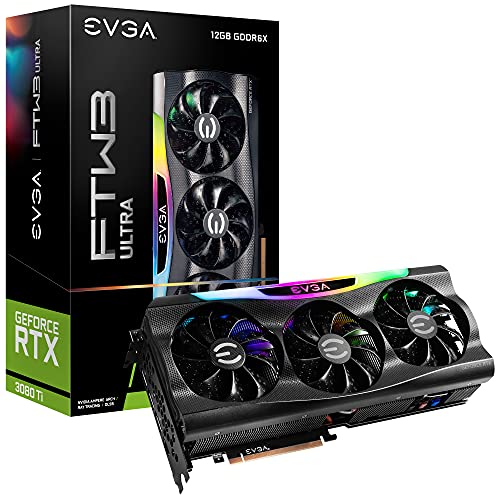
The EVGA RTX 3080 Ti FTW3 Ultra combines iCX3 cooling with ARGB lighting and a sturdy metal backplate. This card emphasizes enhanced cooling zones and smart thermal management, designed to sustain high performance during extended gaming sessions. The ARGB features can be tuned to match system aesthetics, while robust power delivery supports overclocking within safe limits. It remains a strong option for builders prioritizing cooling and visual customization.
Buying Guide: Key Purchase Considerations
Motherboard compatibility with GPUs like the RTX 3080 depends on several factors. First, ensure the PCIe slot version and spacing accommodate your card’s size and thickness, especially in compact cases. Adequate VRM design and heat dissipation on the motherboard support stable performance under load. Consider a board with at least one PCIe 4.0 x16 slot and good power delivery for peak GPU clocks. Memory speed and overclocking headroom can affect overall system responsiveness in gaming and content creation.
Other considerations include case size and airflow, connector availability (USB, M.2 slots, SATA), and expansion options for future upgrades. For users focused on a single GPU like the RTX 3080, the GPU bracket and accessory stability can help prevent motherboard stress and PCIe slot wear. If planning multiple PCIe devices or heavy cooling, verify clearance around the card and potential interference with fans or tall heatsinks.
From a value perspective, renewals and manufacturer options offer cost savings but may come with shorter or limited warranties. Premium cards prioritize cooling efficiency and ARGB customization, which can matter for builds designed to impress visually as well as in performance. Evaluate your priorities—absolute build cost, thermal margin, or aesthetic features—and choose a motherboard and GPU pairing that delivers consistent, reliable performance across your intended workload.