Best Safer Crypto Wallets: Top Hardware Wallets for Secure Storage
In today’s crypto landscape, safeguarding private keys is essential. The best safety for most buyers comes from hardware wallets that store keys offline and use robust security elements. This guide highlights five standout options suited for different needs, from ultra-secure offline storage to user-friendly, open‑source solutions. Ideal buyers include newcomers seeking simplicity, developers prioritizing open-source transparency, and seasoned holders needing multi‑asset support.
| Product | Best For | Key Benefit |
|---|---|---|
| TANGEM Crypto Wallet Pack of 2 | Small portfolios and smart backups | 100% offline with smart backup across 90 blockchains |
| SafePal S1 | Open-source enthusiasts | Air-gapped, open-source design, strong security |
| TANGEM Crypto Wallet Pack of 3 | Multi-account, diversified holdings | Same trusted Tangem security, more wallets |
| Trezor Safe 3 | Maximal asset compatibility | Secure element and on-device confirmation |
| D’CENT Hardware Wallet | Biometric security with broad asset support | Fingerprint protection and 100+ blockchains |
Tangem Wallet Pack of 2 – 100% Offline Cold Wallet

The Tangem Wallet Pack of 2 provides offline hardware storage for a broad set of assets across 90 blockchains, including Bitcoin, Ethereum, NFTs, and altcoins. It uses military-grade EAL6+ security to keep private keys inside the chip and operates without cables, batteries, or setup. Best for buyers who want simple, goal-oriented cold storage with built-in redundancy. A secondary Tangem card can act as a backup key, enabling recovery even if one card is lost. Caution: If you require frequent on‑the‑fly transactions, you may prefer a solution with more traditional USB/Bluetooth interfaces.
SafePal S1 – Open Source, Air-Gapped Wallet
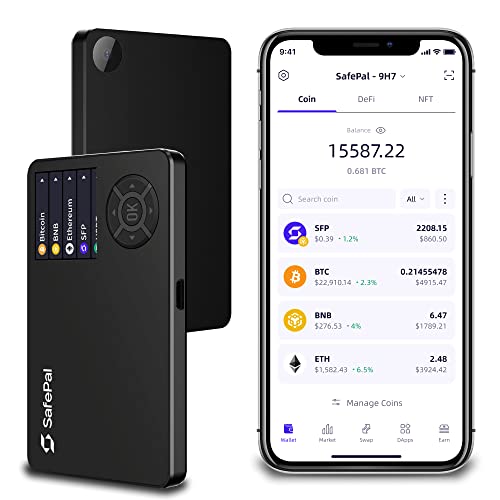
The SafePal S1 emphasizes offline operation with an air-gapped signing mechanism and no radio connections like Bluetooth or Wi‑Fi. Its open-source approach lets users audit the software and hardware, while the EAL 6+ secure element and true random number generator provide strong key protection. Best for security‑minded users who value transparency and a fully offline workflow. Limitation: Some users may prefer a more plug-and-play setup or broader ecosystem integration with wallets that pair with mobile apps via Bluetooth.
Tangem Crypto Wallet Pack of 3 – Expanded Offline Storage

This pack extends Tangem’s offline storage approach to three separate devices, allowing more granular control over different asset groups. Best for buyers who want segmented custody across multiple wallets while retaining the same offline architecture. Pros include 90 blockchain support and end‑to‑end encryption for backups. Caution: Managing multiple devices can add a layer of operational complexity for new users.
Trezor Safe 3 – Secure Element Wallet

Trezor Safe 3 uses an EAL 6+ secure element and a simple OLED screen for on-device confirmations, supporting thousands of assets in one wallet. It’s best for users seeking a transparent, NDA-free security model with a familiar, easy-to-use interface. Limitation: Some third-party integrations may be less seamless than with software wallets; always verify coin compatibility before purchase.
D’CENT Hardware Wallet – Biometric Cold Storage
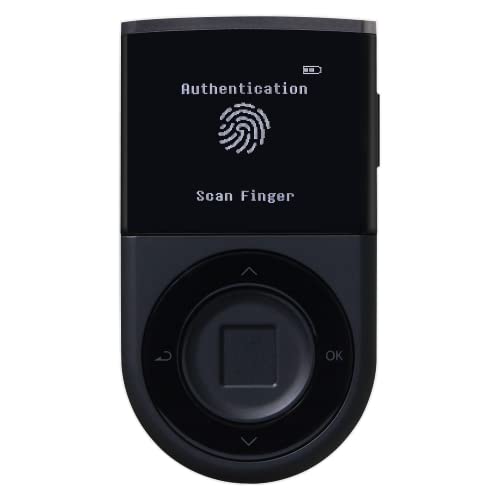
D’CENT combines EAL5+ secure elements with fingerprint authentication, offering biometric protection for private keys. It supports 4,900+ assets across 100+ blockchains and enables Bluetooth pairing with its mobile app for convenient management, all without exposing keys online. Best for users who want biometric security and broad asset coverage. Caution: Bluetooth pairing introduces a potential attack surface; keep firmware up to date and use strong device permissions.
Buying Guide: Choosing Your Safe Crypto Wallet
- Security level: Look for secure elements (EAL6+ or higher) and air-gapped designs to minimize online exposure.
- Offline vs online operations: Offline signing reduces risk; consider whether you need occasional online features like staking or swaps.
- Asset compatibility: Confirm support for your coin mix, including NFTs and DeFi tokens.
- Backup options: Smart backups and seed‑phrase options affect recoverability if a device is lost or damaged.
- Ease of use: OLED screens, clear prompts, and mobile app integration impact daily use, especially for beginners.
- Open-source transparency: Open-source software allows independent audits and community trust.
- Tradeoffs: More features can mean a steeper learning curve; weigh security against convenience based on your needs.
Frequently Asked Questions
- What makes a hardware wallet safer than software wallets? Hardware wallets keep private keys offline, reducing exposure to online attacks and malware.
- Is air-gapped better than Bluetooth-enabled devices? Air-gapped devices avoid wireless interfaces entirely, which generally improves security in practice.
- Do I need multiple wallets for security? Splitting assets across wallets can reduce risk and support different custody strategies.
- What is a secure element (SE)? An SE is a tamper-resistant chip that protects cryptographic keys from extraction or tampering.
- Should I choose open-source hardware wallets? Open-source projects allow independent verification and community audits, increasing transparency.
- Are fingerprints or face recognition safe for wallet access? Biometric methods add convenience but should be paired with strong device security and backups.