Best Silver Solder for Electronics: Top Picks for Precision Joints
Silicon-focused electronics projects benefit from solder with high conductivity and reliable wetting. This guide highlights five strong options for electronics work, with clear suitability notes for hobbyists, technicians, and DIY makers. Each entry uses a proven alloy and flux core to help create durable joints on PCBs, connectors, and small components. The table below summarizes the top picks for quick comparison.
| Product | Alloy / Flux | Diameter / Weight | |
|---|---|---|---|
| Cardas Soldering Wire Quad Eutectic Silver Solder | Quad Eutectic Sn/Pb/Cu/Ag with rosin flux | 1/4 lb (110 g) | Higher conductivity joints; premium electronics work |
| RadioShack SnPbAg 62/36/2 Solder | Sn/Pb/Ag with rosin-core flux | 0.015″ diameter; 1.0 oz | General electronics and repair with better-than-average reliability |
| VIRALLOY 0.5mm Lead Free Solder Wire | Sn97/Ag0.3/Cu0.7 with rosin core | 0.5 mm | PCB work, small wires, and repair without lead |
| MAIYUM 63-37 Tin Lead Rosin Core | Sn63/Pb37 with rosin core | 0.8 mm | Pocket-friendly, versatile for general soldering |
| E ENERSYSTEC Lead-Free Solder Wire | Sn99/Ag0.3/Cu0.7 with rosin core | 0.8 mm | Fine, reliable soldering for delicate components |
Cardas Soldering Wire Quad Eutectic Silver Solder
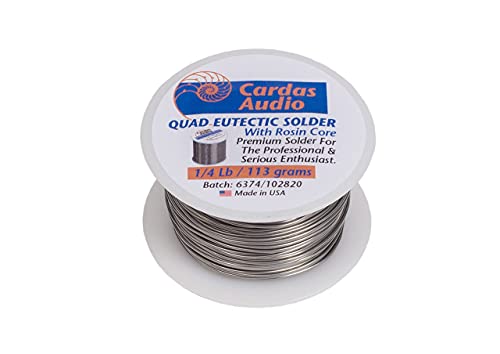
Best for high-conductivity joints and premium electronics work. The Quad Eutectic formulation blends silver, copper, tin, and lead for strong, durable connections. Melting range is 364–384°F (185–195°C), which supports reliable wetting on tricky joints. Suitable for projects requiring robust electrical paths, such as sensitive signal lines or audio electronics. Limitations include the presence of lead in the alloy, which some hobbyists may avoid for health or environmental reasons.
RadioShack SnPbAg 62/36/2 Solder

Best for general electronics and repair work when leaded solder is acceptable. The 2% silver alloy (Sn 62%, Pb 36%, Ag 2%) with rosin flux provides dependable joint formation and good wetting on standard PCB components. The 0.015″ diameter is a versatile size for fine but not ultra-small work. Choose this if you want a tried-and-true, easy-to-solder option that balances durability with ease of use. Caution: contains lead, which may be restricted in some regions or applications.
VIRALLOY 0.5mm Lead Free Solder Wire

Best for lead-free electronics work and small-geometry projects. The Sn97/Ag0.3/Cu0.7 alloy offers smooth flow and reliable joints with built-in rosin core flux. Its 0.5 mm diameter supports precise work on PCBs, LEDs, and small connectors. A potential limitation is that lead-free formulations can require higher temperatures and slightly different wetting behavior than traditional leaded solders.
MAIYUM 63-37 Tin Lead Rosin Core
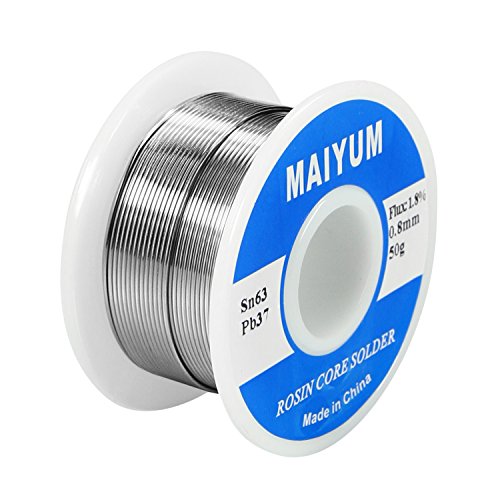
Best for pocket-friendly, versatile use with traditional 63/37 tin-lead composition. The rosin core provides flux to improve wetting and joint strength. The 0.8 mm diameter is suitable for mid-range tasks and general electronics assembly. Limitation: contains lead, and some newer manufacturing environments prefer lead-free options for compliance reasons. Use this if you need reliable, easy-to-control soldering with strong joints in mixed-component assemblies.
E ENERSYSTEC Lead-Free Solder Wire
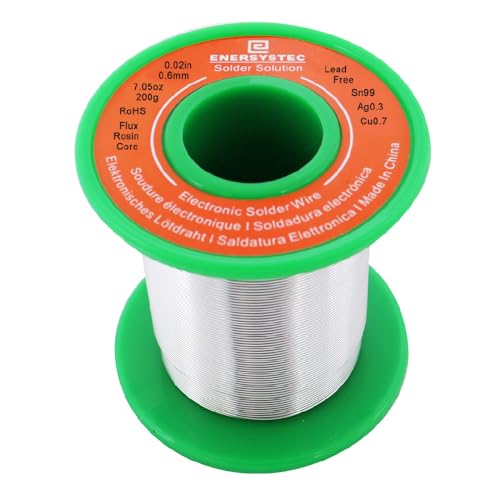
Best for lead-free electronics work and high-end PCB projects. The Sn99/Ag0.3/Cu0.7 alloy with a rosin core provides smooth flow and reliable joints with reduced environmental impact. The 0.8 mm diameter makes it suitable for a range of component sizes. Caution: lead-free formulations may require careful temperature control to avoid cold joints or insufficient wetting on some flux residues.
Buying Guide
Key purchase considerations for silver and silver-bearing solders include alloy composition, flux type, diameter, and application needs. If you prioritize maximum conductivity and durable joints in signal-rich electronics, a quad-eutectic or silver-rich alloy can offer benefits. For repair work or hobby projects, a leaded alloy such as 63/37 or 62/36/2 may provide easier wetting and faster flow. Lead-free options are preferred for compliance and health concerns, though they may require higher processing temperatures and slightly different wetting behavior. Consider the following questions when choosing:
- What is the smallest component you will solder, and which diameter is most appropriate?
- Is lead content acceptable for your project environment and regulatory requirements?
- Do you need a rosin-core flux or liquid flux for stubborn joints?
- Is higher conductivity a priority for your design (e.g., high-frequency or audio paths)?
- Are you working with delicate components that require low-temperature soldering or gentle heating?
Frequently Asked Questions
- What is silver solder, and why use it for electronics?
- Which solder diameter should I choose for PCBs?
- Lead-free solders require higher temperatures than leaded ones?
- Is rosin-core flux enough by itself for most electronics soldering?
- Can I mix leaded and lead-free solders in the same project?
- What safety steps should I follow when soldering?
Silver solder refers to alloys that include silver to improve conductivity and joint strength. It is used in electronics to form reliable, low-resistance connections, especially where higher performance is desired.
Smaller diameters like 0.5 mm or 0.8 mm are common for PCB work, fine wires, and dense components. Use finer diameters for tight spaces and delicate components.
Yes. Lead-free alloys generally melt at higher temperatures and may demand longer heating or careful temperature control to avoid cold joints or bridging.
Rosin-core flux is suitable for many applications, especially when joints are clean and accessible. Some high-reliability tasks may benefit from additional flux or pre-solder cleaning.
Mixed alloy use is possible but can create uneven joints and reliability issues. It is best to standardize on one alloy family within a project.
Work in a well-ventilated area, use safety glasses, and avoid inhaling fumes. Keep hot soldering iron away from skin and flammable materials.