Best Sony Alpha for Video: Top Sony Alpha Cameras for Creators
Finding the right Sony Alpha camera for video involves balancing resolution, autofocus, sensor size, and color science. This guide highlights five strong options across Sony’s Alpha lineup, focusing on video performance, reliability, and value for creators. Each model is evaluated for 4K capabilities, autofocus, and workflow suitability so you can choose confidently for vlogging, short films, or client work.
| Product | Sensor | Video Capabilities | Best For |
|---|---|---|---|
| Sony Alpha 7 IV | Full-frame | Up to 4K60p, 10-bit 4:2:2 | All-around performance |
| Sony Alpha a6400 | APS-C | 4K video, Real-time AF | Compact run-and-gun |
| Sony ZV-E10 | APS-C | 4K oversampled from 6K, Product Showcase | Vlogging |
| Sony Alpha a6100 | APS-C | Fast AF, 24.2MP | Budget-friendly option |
| Sony Alpha 6700 | APS-C | 4K, AI subject recognition | Advanced video AF |
Sony Alpha 7 IV Full-frame Kit

The Sony Alpha 7 IV combines a 33MP full-frame Exmor R back-illuminated CMOS sensor with the next-generation BIONZ XR engine, delivering premium video quality and accurate color. It supports up to 4K 60p with 10-bit 4:2:2 full pixel readout across recording formats, making it a versatile option for filmmakers needing high-resolution footage, robust color grading, and reliable autofocus in diverse lighting.
Sony Alpha a6400 With Versatile Lens
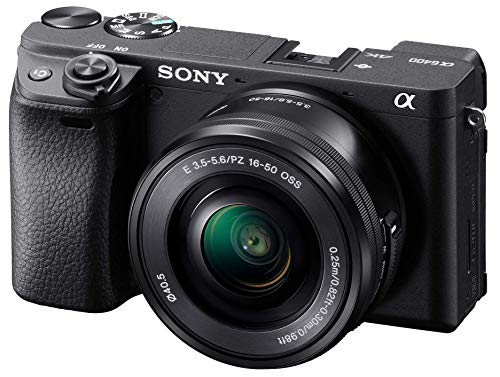
The a6400 features a compact APS-C sensor with Real-time Eye AF and fast performance, paired with a flexible kit lens. It offers 4K video, improved autofocus for moving subjects, and a compact form factor ideal for on-the-go shooting, interviews, and travel projects. Its strong overall balance makes it a practical choice for creators who need mobility without sacrificing image quality.
Sony ZV-E10 Vlog Camera Kit
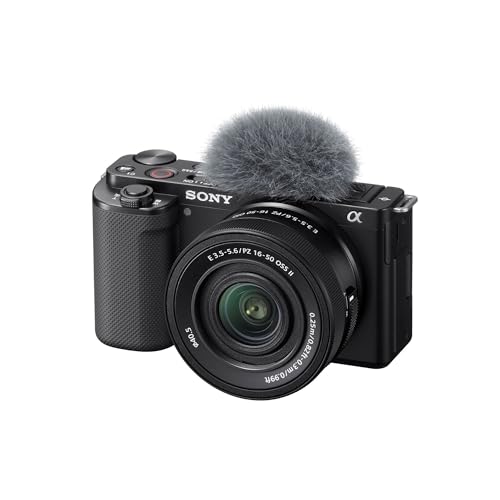
The ZV-E10 is designed for content creators and vloggers, featuring a 24.2MP APS-C sensor and a fast BIONZ X processor. It records 4K video with full-pixel readout and oversampling to maximize detail, plus a Product Showcase setting that transitions focus smoothly from face to product, streamlining product reviews and tutorials.
Sony Alpha a6100 Budget-Friendly Model

The a6100 delivers fast autofocus with Real-time AF and object tracking on a compact APS-C body. It features a 24.2MP sensor and solid burst and video performance, making it a strong option for enthusiasts who want solid video capabilities without a heavy price tag or learning curve.
Sony Alpha 6700 With 26 MP Sensor

The 6700 expands Sony’s APS-C capabilities with a 26.0MP Exmor R sensor and BIONZ XR processing for improved image quality and faster performance. The camera includes AI-based subject recognition for reliable tracking and is well-suited for creators who need advanced tracking in documentary or interview settings, paired with a versatile zoom kit.
Buying Guide: Key Considerations And Comparisons
- Sensor size and field of view: Full-frame sensors deliver more depth of field control and better low-light performance, but APS-C models are lighter, more affordable, and offer excellent video quality when paired with good lenses.
- Video specs: Look for 4K recording at 60p with 10-bit color and 4:2:2 sampling for future-proof color grading. Ensure the camera supports full-pixel readout to minimize rolling shutter and artifacts.
- Autofocus and subject tracking: AI-based and real-time AF features help maintain focus on moving subjects, which is crucial for interviews, run-and-gun shooting, and run-throughs.
- Lens ecosystem: Compatibility with widely available Sony FE and E-mount lenses expands creative options for cinematic looks, wide-angle shots, and telephoto work.
- Portability vs. features: If you travel or shoot on location, lighter models (like the a6400 or ZV-E10) reduce fatigue. For studio or client shoots, the 7 IV or 6700 offer more advanced processing and color depth.
- Workflow and compatibility: Consider how well each model integrates with your editing pipeline, color grading software, and any external accessories you use (monitors, gimbals, audio gear).
- Budget and longevity: Balance upfront cost with features like battery life, heat management during longer shoots, and future-proofing through firmware updates and accessory support.