Best Sound Detectors for Classrooms to Manage Noise Effectively
Answering the need for practical classroom noise control, these sound detectors help teachers maintain a conducive learning environment. The best options suit different classroom sizes, tones, and tech preferences—from visual traffic-light cues to data logging for trend analysis. This guide highlights five top picks, explains who each one is best for, and notes any limitations. Use the quick overview table to compare at a glance and then dive into detailed sections to choose the right fit for your space.
| Product | Best For | Key Benefit | Notes |
|---|---|---|---|
| Zuomeng Noise Detector | Active classrooms seeking visual feedback | Traffic-light alerts with adjustable dB thresholds | Includes temperature and humidity display |
| Yacker Tracker Noise Level Monitor | Structured classrooms wanting simple meters | LED traffic-light signals | Versatile for cafeterias and gyms too |
| DANOPLUS 11-Inch LED Decibel Meter | Rooms needing large, easy-to-read display | 11″ LED with face icons and calibration | Wide 30–130 dB range |
| TEKCOPLUS Decibel Meter | Flexible wall-hanging setup with alarms | 13″ LCD, color-coded indicators | Includes temperature and humidity readouts |
| VETOUCH 3-in-1 Decibel Meter | All-in-one monitoring for simplified use | Tracks sound, temperature, humidity | Plug-in design for easy setup |
Important: Each product targets different classroom needs—from real-time visual cues to data logging. Consider room size, desired alerts, and whether you prefer plug-in devices or wall-mount units when making your selection.
Zuomeng Noise Detector With Traffic Light Alert

Features: Traffic-light color system shows when sound levels rise, encouraging self-correction. Real-time temperature and humidity readings help maintain classroom comfort. Adjustable noise limits from 50–100 dB with 15-volume alert levels. Visual cues and gentle voice prompts minimize disruption.
Best for: Classrooms that want intuitive, self-regulating feedback without constant teacher intervention. The traffic-light display supports quick, at-a-glance assessments for students.
Limitations: Might require calibration to align with local classroom norms and teaching styles. Voice prompts depend on setup and may not suit all classrooms.
Yacker Tracker Noise Level Monitor
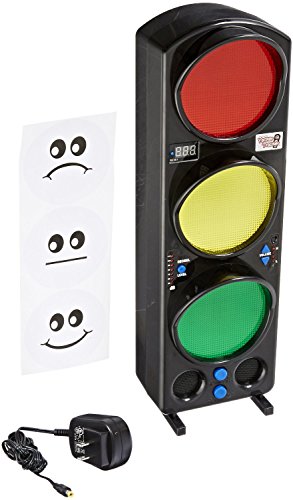
Features: LED traffic-light signals provide easy-to-understand sound levels. Decibel meter can be pre-set to teacher-preferred levels. This playful detector is suitable for classrooms, cafeterias, and gyms.
Best for: Smaller to mid-sized classrooms wanting a simple, visual indicator with adjustable thresholds for a clear, non-verbal cue system.
Limitations: Limited data-logging or advanced analytics; best used as a straightforward deterrent and feedback tool.
DANOPLUS Decibel Meter Wall Hanging 11-Inch

Features: Large 11-inch LED display with brightness adjustment for visibility. Face icons alarm that indicate noise levels with color coding (green, yellow, orange, red). Calibrated 30–130 dB range with a calibration function for long-term accuracy.
Best for: Classrooms and studios where quick, large-readability indicators are essential, especially in rooms with varying seating layouts.
Limitations: Larger unit may require more wall space; calibration procedures may be needed over time to maintain accuracy.
TEKCOPLUS Decibel Meter With Large 13-Inch Display

Features: A 13-inch LCD display with adjustable brightness for easy viewing. Alarm function with color-coded indicators (green, yellow, red) to signal safe, moderate, and dangerous sound levels. Tracks temperature and humidity in addition to sound levels. Suitable for both wall hanging and desktop placement.
Best for: Environments where a robust, all-in-one environmental monitor is valued, combining noise data with climate readings.
Limitations: Some users may prefer smaller, more portable devices for moving between rooms.
VETOUCH Decibel Meter Plug-In

Features: A 3-in-1 device tracking decibels, temperature, and humidity. Plug-in design offers instant monitoring without battery concerns. Color LCD display uses green/yellow/orange/red bars to indicate levels, with a wide 30–130 dBA range.
Best for: Settings seeking a single, easy-to-use unit that covers multiple environmental signals without extra gear.
Buying Guide
What should I consider when choosing a classroom sound detector?
- Room size and layout: Larger rooms may benefit from higher-visibility displays or wall-mounted units.
- Display readability: Large LED or LCD screens reduce eye strain and improve quick interpretation.
- Alert type: Visual cues (traffic lights, color bars) are less disruptive than audible alarms in active lessons.
- Data needs: Do you want real-time alerts only, or do you need data logging for trend analysis and reporting?
- Power option: Plug-in models reduce maintenance, while battery-powered units offer portable flexibility.
- Additional environmental data: Temperature and humidity readings help sustain comfortable learning conditions.
How do I decide between visual vs. audible alerts?
Visual alerts are generally better for maintaining classroom flow and minimize interruptions. Audible alerts should be used sparingly or reserved for extreme levels to avoid disrupting instruction.
Are calibration and maintenance considerations important?
Yes. Regular calibration ensures accuracy over time. Some models include calibration features or require periodic checks to maintain consistency with human perception of sound.
What installation considerations matter?
Choose a location with clear visibility from most seating areas. Wall-mount options save space, while plug-in devices simplify setup in rooms without fixed power sources.
What about data use and reporting?
If you need long-term insights, select models with data logging and export capabilities. This helps track noise trends across days or weeks and supports classroom management decisions.
FAQ
Q: What is a typical dB range I should monitor in a classroom?
A: A common range is 30–85 dB for normal classroom activity, with alerts configured around 75–85 dB for caution.
Q: Can these devices replace teacher attention to noise?
A: They are tools to aid management, not substitutes for teacher cues and classroom routines.
Q: Do these meters measure only noise or also air quality?
A: Most models measure sound, with some including temperature and humidity readings.
Q: Are there models suitable for shared spaces like cafeterias?
A: Yes; several options are portable or designed for multi-area monitoring and can be used in cafeterias or gyms.
Q: Can I reuse one detector across multiple rooms?
A: Plug-in units and portable meters can be moved, but wall-mounted units are fixed. Consider your classroom layout and traffic flow when planning.