Best Two-Way Radios for Dentists: Clear, Reliable Communication on the Go
When choosing two-way radios for dental practices, reliability, clear audio, and easy operation matter most. This guide highlights five radios well-suited for clinics, labs, and mobile dental teams. Each option targets different needs: quiet office settings, busy hospital corridors, or site visits to patient locations. Read on to find which model best fits your team size, environment, and budget.
Summary of the selected products
| Product | Best For | Key Strength | Limitation |
|---|---|---|---|
| SAMCOM 5W Heavy Duty Walkie Talkies | Large teams in busy environments | Long range, rugged build | Bulkier design |
| SAMCOM 4-Pack Long Range Radios | Construction and events on campuses | Loud mic, organized channels | Requires more management |
| Rugged Radios GMR2 Plus GMRS | Outdoor tours and fieldwork | GMRS long range, versatile | GMRS limits in some areas |
| SAMCOM FPCN50A DMR with GPS | Large facilities, security teams | GPS tracking, lone worker | Digital mode complexity |
| pxton 8-Pack Long Range Radios | Volunteer programs, clinics with many assistants | Wide channel options, flashlight | Varied distance in urban areas |
SAMCOM 5W Heavy Duty Walkie Talkies For Teams

This model is ideal for large dental teams operating in busy clinics or hospital corridors. It offers a rugged shell and high power output, delivering clear signals across substantial floors or rooms. Best for teams that need dependable coverage in challenging environments such as imaging areas or sterilization zones where noise is common.
Who it’s best for: clinics needing durable radios with long-range performance for multi-room coverage. Why selected: the 5W power and replaceable antenna provide strong signals, while the heavy-duty design resists daily wear.
Caution: the bulkier unit can be harder to carry for mobile clinicians who travel between patient rooms. Ensure belt clip or holster compatibility to improve mobility.
SAMCOM 4-Pack Long Range Radios With Earpieces

This set emphasizes organized team communication for sites like clinics with multiple treatment rooms or campus clinics. The 4-pack includes a shoulder mic option and a loud, clear channel with minimal interference, making it easier to keep staff coordinated during patient flow, emergencies, or group announcements.
Who it’s best for: dental facilities with several teams needing segmented channels. Why selected: the included group function and fixed channels support rapid, synchronized updates.
Caution: managing multiple channels may require training so teams don’t talk over each other during busy times.
Rugged Radios GMR2 Plus GMRS Handheld Radios
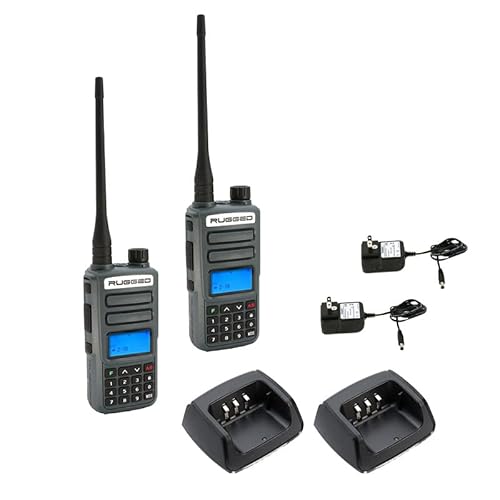
This option suits fieldwork and mobile dental outreach. The GMRS-based radios offer a balance of range and reliability, with 22 channels and 121 privacy codes to minimize cross-talk in outdoor settings or large facilities with many teams.
Who it’s best for: dental teams that require strong outdoor or campus-wide communication. Why selected: universal compatibility with GMRS gear helps connect different devices across varied environments.
Caution: GMRS usage regulatory limits can vary by region; verify local requirements before deployment in a clinic’s vicinity.
SAMCOM FPCN50A DMR With GPS Tracking

This radio blends digital clarity with essential safety features for larger facilities or security teams. GPS tracking provides location data on transmissions, and lone worker plus emergency alerts help safeguard staff during late shifts or home visits.
Who it’s best for: clinics needing enhanced safety features and real-time location sharing. Why selected: digital mode reduces background static in noisy environments, improving reliability during critical communications.
Caution: digital mode can add setup complexity; ensure staff receive proper onboarding to use GPS and emergency features effectively.
pxton 8-Pack Long Range Radios With Earpieces

This bundle targets larger clinics or outreach teams needing many earpieces and chargers. It features 16 channels, programmable audio options, VOX, and a built-in flashlight for late appointments or travel between off-site locations.
Who it’s best for: clinics with many support staff or mobile teams requiring readily available communications. Why selected: comprehensive accessory bundle and long-range capability support smooth day-to-day operations.
Caution: performance distance varies by environment; closer in urban clinics, expect shorter ranges due to walls and equipment.
Buying Guide: How To Choose The Right Two-Way Radios For Dentists
- Environment matters: Consider indoor clinic corridors, treatment rooms, or outdoor visits. Higher power radios offer better coverage, but heavier units may hinder mobility.
- Channel options and privacy codes: More channels help separate teams (front desk, sterile processing, clinical staff). Privacy codes reduce cross-talk in noisy settings.
- Audio quality and noise handling: Look for clear speakers, noise reduction, and robust mics for background noise in clinics or hospitals.
- Safety features: GPS tracking, lone worker alerts, and emergency buttons add protection for late shifts, home visits, or outreach work.
- Battery life and durability: Rechargeable Li-ion packs and rugged housings extend usability through long clinics and field days.
- Compatibility and future-proofing: Decide between analog, digital, or dual-mode radios. Digital options reduce interference and improve clarity.
- Accessories: Earpieces, belt clips, and speaker mics can improve hygiene and efficiency in dental settings.
How many radios should a dental team consider?
For a mid-sized clinic, 4–8 radios with a mix of desk-based and mobile units generally covers front desk, clinical staff, and support teams. Larger practices or outreach programs may require 12–20 units with multiple channels and earpieces to maintain clear lines of communication.
What about training and usage policy?
Provide simple operating guidelines: when to switch channels, who is responsible for announcements, and how to use emergency features. Short training sessions reduce radio misuse and interruptions during patient care.
Where should radios be deployed?
Place base stations near the reception or nurse stations for quick paging. Equip mobile carts or heads to clinicians moving between rooms, imaging areas, or off-site patient visits.
Maintenance tips
Regularly inspect mics and connectors, keep batteries charged, and replace worn earpieces. Clean devices to maintain hygiene standards in clinical environments.
Frequently Asked Questions
- What makes a radio suitable for a dental clinic? – Clear audio, reliable range, ease of use, and hygiene-friendly accessories are key.
- Is digital mode better for dental teams? – Digital mode reduces background noise and improves clarity, especially in busy environments.
- Do radios require regulatory compliance? – Some bands like GMRS may have local restrictions; verify regional rules before use.
- How many channels should I choose? – More channels help separate teams; 2–4 main channels with several sub-channels is common in clinics.
- Are earpieces necessary? – Earpieces reduce audible noise for patients and improve hygiene when staff must communicate discreetly.
- Should I choose rugged radios or lighter models? – Rugged radios are better for field work or crowded plant floors; lighter models work well inside clinics.