Best Bass Cable for Amp: Top 5 Pro Audio Cables for Clear Tone
If you’re shopping for a bass amp cable, you want a reliable, low-noise connection that preserves your instrument’s tone. This guide highlights five high-quality options, explaining who each is best for, and why they stand out. Ideal buyers include gigging players seeking stage reliability, home studio users needing clean signal paths, and beginners who want durability without fuss. Below you’ll find a quick product comparison and detailed sections to help you choose confidently.
Product Comparison Snapshot
| Product | Best For | Key Strength | Potential Limitation |
|---|---|---|---|
| New Bee Guitar Cable 10ft | On-stage players needing secure right-angle/straight connectors | Low noise, oxygen-free copper center, dual shielding | Straight/Right-angle combo may be overkill for simple setups |
| Fender Professional Series 10 ft | Studio and stage where longevity matters | Anti-kinking design, high-quality shielding, durable jacket | Higher flexibility trade-off with build density |
| JSAUX 10 ft Amp Cable | Players needing durability and minimal noise | Thick insulation, multiple shields, nylon braid | May feel stiff when coiled tightly |
| GLS Audio 20 ft | Long cables for stage or studio runs | Durable, flexible, good 1/4″ tips | Long length may add more capacitance for some setups |
| Ernie Ball 10 ft Braided | Players needing low-noise, flexible performance | Dual shielding, braided jacket, corrosion resistance | Higher price relative to basic models |
New Bee Guitar Cable 10ft Electric Instrument Bass AMP Cord

This cable uses 22AWG oxygen-free copper conductors and dual shielding to reduce noise and preserve signal integrity. The combination of PVC insulation and high-density copper shielding supports quiet operation across instruments, pedals, and amps. The product features both straight and right-angle metal connectors for secure connections in live or studio scenarios.
Best for: On-stage players and home studios needing reliable right-angle/straight options and wide compatibility. Why selected: It balances noise rejection with connector versatility, helping reduce hiss and crackle. Caution: Some users may prefer lighter, more flexible cables for tight pedalboards or compact rigs.
Fender Professional Series Instrument Cable 10 ft
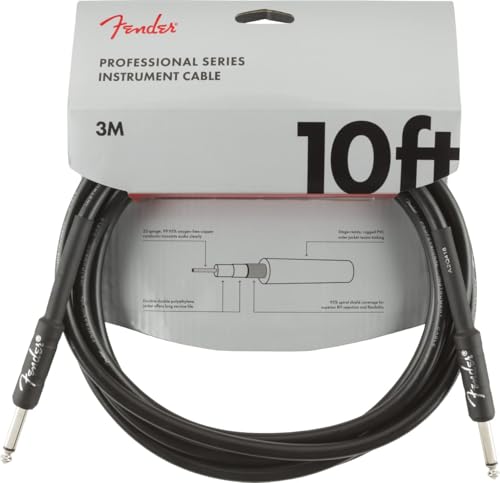
Fender’s 10-foot instrument cable emphasizes longevity with an 8mm PVC jacket and 95% OFC spiral shielding. The shielded construction and sturdy nickel-plated connectors help minimize handling noise, making it a strong choice for frequent setup-take-down environments. This cable is designed to avoid twisting or memory, which supports consistent tone across long sessions.
Best for: Players who value durability and low handling noise in both stage and studio contexts. Why selected: The Fender build quality and shielding are well-regarded for quiet operation and long life. Caution: It’s slightly stiffer than ultra-flexible, lighter options, which may affect routing in tight spaces.
JSAUX Guitar Cable 10 ft Amp Cord

JSAUX emphasizes durability with thicker construction, multiple insulator shields, and a premium oxygen-free copper conductor for stable signal transmission. The nylon braided jacket adds tangle resistance, and a convenient strap helps manage excess length. This cable is compatible with guitars, mandolins, basses, amps, and other keyboards or speakers.
Best for: Musicians wanting robust shielding and reliable performance across a variety of instruments. Why selected: The extra shielding and braided exterior reduce crackle and hum. Caution: Some players find heavier cables slightly less flexible for quick on-stage moves.
GLS Audio Instrument Cable 20 ft
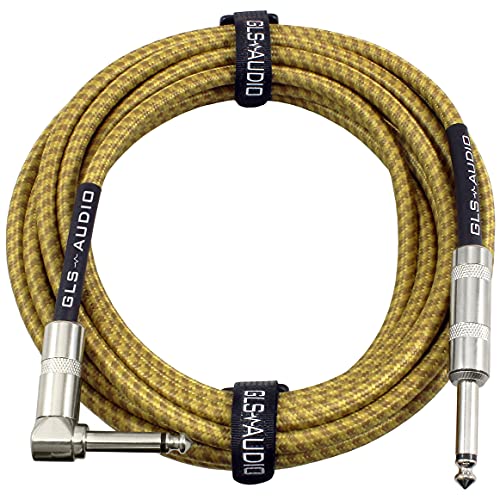
GLS Audio’s 20-foot cable is built to last with oxygen-free copper and a durable 1/4″ connector design. It’s designed for flexible use and coil-friendly performance, making it a practical choice for longer runs in studios or on-stage setups. The combination of quality copper and shielding supports clean, clear tone across distance.
Best for: Players who need extra length for stage or studio layouts. Why selected: The length enables flexible placement without sacrificing signal integrity. Caution: Longer runs can introduce more capacitance, potentially affecting high-end response for some basses or signals.
Ernie Ball Braided Instrument Cable, 10 ft

Ernie Ball’s braided cable uses 99.95% oxygen-free copper to resist corrosion, with dual shielding and dual conductors for a bright, clear tone. The braided exterior minimizes tangling and provides durable, flexible performance for regular gigging or practice sessions.
Best for: Players who want resilient shielding and a tangle-resistant design. Why selected: The braided jacket adds durability for frequent handling. Caution: May be pricier than basic non-braided options.
Amazon Basics TS 1/4 Inch Guitar Cable 10 Ft

Amazon Basics offers a versatile 10-foot cable with a tweed cloth jacket and right-angle connector. It features a 23 AWG OFC center conductor and dual shields to block interference. This model is suitable for electric guitars, basses, or keyboards connected to amps or PA systems.
Best for: Budget-conscious buyers who still want low-noise performance and reliable shielding. Why selected: A simple, cost-effective option with practical shielding features. Caution: It may not have the same long-term durability as premium brands.
Buying Guide: How To Choose The Right Bass Cable For Your Amp
What matters most for tone and noise
When selecting a bass cable for an amp, focus on conductor material (oxygen-free copper is common), shielding (dual shielding reduces noise), and jacket durability. These features directly influence signal clarity and resilience on stage or in the studio.
Connector comfort and fit
Consider whether you need a straight, right-angle, or both connectors. Right-angle plugs can save space on crowded pedalboards or stage rigs, while straight plugs are versatile for most setups.
Length versus signal integrity
Longer cables offer flexibility but can introduce capacitance, potentially dulling high-end frequencies on some basses. Choose the shortest practical length for your setup and use longer runs only when necessary.
Durability for your environment
Live gigs demand rugged jackets and shielding to prevent wear. For home studios, balance flexibility with protection to reduce tangling and wear from daily use. A braided jacket can help in real-world handling.
Budget and value
Premium cables usually offer better shielding and longer lifespans, but mid-range options can deliver solid performance at a lower price. Match features to your performance needs and maintenance expectations.
Frequently Asked Questions
- What’s the difference between 22 AWG and thicker conductors? Thicker conductors can support lower resistance and may deliver marginally stronger signal with less loss over distance, especially for bass signals.
- Is shielding more important than connector quality? Both matter. Shielding reduces interference and noise, while good connectors ensure a solid, secure connection and durable mating cycles.
- Should I buy a long cable for a small setup? Shorter cables reduce capacitance and preserve tone. Choose longer cables only if you need extra reach or flexibility for stage layouts.
- Are braided cables worth the extra cost? Braided jackets improve durability and tangle resistance, which is beneficial for frequent transport and tight touring environments.
- Can I use a guitar cable for bass? Yes, most standard instrument cables work for bass, but ensure the length and shielding are suitable for your amp and environment.
- Do high-end cables guarantee better tone? They can reduce noise and maintain signal integrity, but overall tone also depends on your instrument, amp, and playing style.