Best Floor Standing Speakers for Classical Music: Clear, Rich Sound
When listening to symphonies, chamber works, and operatic finales, floor standing speakers should deliver precise imaging, wide dynamics, and natural tonal balance. This guide highlights five top options that balance musicality with solid performance in a typical living room. Each model offers a different blend of detail, bass extension, and refinement, helping you match your setup to the acoustics of your space and your preferred classical repertoire.
| Product | Brand | Use Case | Notable Strength |
|---|---|---|---|
| Dayton Audio Classic T65 Floor-Standing Tower Speaker Pair | Dayton Audio | Stereo listening, large rooms | Silk-dome tweeter, precise ear-level placement |
| Polk Audio T50 Floor Standing Tower Speaker | Polk Audio | Home theater and stereo | Dynamic Balance drivers, deep bass radiators |
| Sony SS-CS3 Floor-Standing Speaker | Sony | Budget stereo, versatile use | Three-way design, multiple drivers |
| Yamaha NS-F150 Floor Standing Speaker | Yamaha | Balanced home audio | Two-way bass-reflex, removable grill |
| VEVOR 3-Way Floorstanding Speakers | VEVOR | Modern living rooms, audiophile setup | Three-way tuning, clear highs and mids |
The following sections examine each option in depth, focusing on how they perform with classical music and what to consider when selecting floor standing speakers for orchestral, choral, and chamber works.
Dayton Audio Classic T65 Floor-Standing Tower Speaker (Wood)

The Dayton Audio Classic T65 combines a tall cabinet with a silk dome tweeter and dual 6.5″ bass drivers to deliver room-filling sound with clear treble and controlled bass. The tall, bass-reflex enclosure helps position the tweeter at ear level for precise imaging, which benefits classical recordings where instrument placement matters. The 1″ silk dome tweeter reduces brightness, preserving musical nuance across strings, woodwinds, and brass without sounding harsh. With a versatile performance profile, these towers suit both stereo listening and multi-channel setups in mid-sized living rooms.
Polk Audio T50 Floor Standing Tower Speaker

The Polk T50 emphasizes a broad, dynamic sound with a 1″ tweeter, a 6.5″ Dynamic Balance driver, and dual 6.5″ bass radiators. The combination yields extended low-end response and clear highs, which can reveal subtle orchestral textures in Bach, Beethoven, and Debussy. The design aims for a balanced, room-filling performance suitable for both cinematic tracks and pure classical listening. The T50’s high-frequency extension helps reproduce cymbals and strings with air, while the bass radiators keep midrange clarity intact—important for maintaining tonal integrity with complex passages.
Sony SS-CS3 3-Way Floor-Standing Speaker
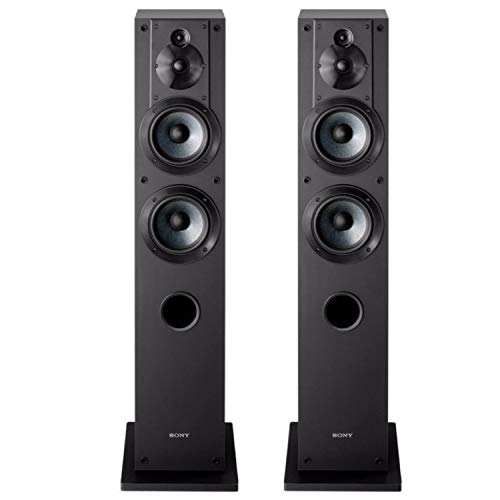
Sony’s SS-CS3 pairs a 1″ polyester tweeter with a ¾” super tweeter and a multi-driver, three-way design to produce detailed highs and a broad soundstage. The 145W peak power rating and 6 Ohm impedance imply a speaker that can deliver dynamic crescendos and delicate phrases with clarity. For classical music, the SS-CS3 can recreate the spatial cues of orchestral sections, though its lower-end extension may depend on room acoustics and amplification. The solid cabinet design supports stable imaging and reduces resonances that might color the mids and highs during complex passages.
Yamaha NS-F150 Floor Standing Speaker
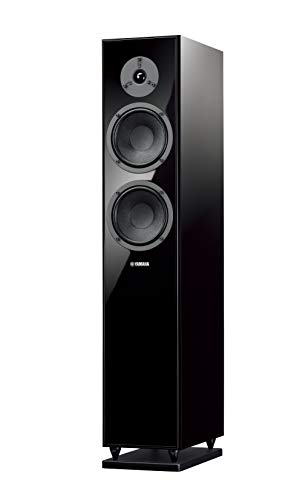
The Yamaha NS-F150 is a two-way, bass-reflex floorstander designed for balanced home audio. Its removable grill and gold-plated terminals provide a clean, adaptable installation for various listening rooms. In classical settings, the NS-F150 offers a smooth midrange and controlled bass, supporting strings, woodwinds, and brass without fatigue. The overall tonal balance aims to reproduce the natural warmth of studio recordings and live performances alike, while its design helps minimize harsh edge in bright recordings.
VEVOR 3-Way Floorstanding Speaker Pair

VEVOR’s 3-Way floorstanding design features a 0.75″ super tweeter and a 1″ tweeter for clear highs, paired with dual 5.25″ woofers for a punchy low end. With a frequency response of 70Hz–20kHz and 145W peak power, these towers are built to reproduce dynamic classical passages—from delicate string sections to powerful overtures—without excessive coloration. The MDF enclosure helps reduce cabinet vibration, supporting tighter bass and cleaner midrange reproduction, which is important when listening to orchestral textures and choral ensembles.
Buying Guide
Key purchase considerations when choosing floor standing speakers for classical music:
- Tone balance: Seek speakers with smooth, natural mids and a non-fatiguing treble for long listening sessions; this helps preserve the harmonic richness of strings and woodwinds.
- Cabinet and build: A sturdy MDF or wood enclosure minimizes resonances that can blur imaging and muddy baselines, which is crucial for precise orchestral staging.
- Driver layout: Three-way designs typically offer better high-frequency detail and midrange clarity for classical recordings, though well-executed two-way designs can also perform admirably in compact rooms.
- Room interaction: Floor-standing speakers interact with room boundaries; consider toe-in angle, placement away from walls, and room size to maximize soundstage and bass control.
- Amplification compatibility: Check impedance and recommended power range. A setup with adequate headroom avoids compression on crescendos in symphonic works.
- Speaker pairing: For classical catalogs with wide dynamic range, pairing with a high-quality amplifier and appropriate source equipment yields the most accurate reproduction of timbre and space.
- Budget vs. performance: While premium models offer refined detail and deeper bass, many mid-priced options can deliver compelling classical performance if matched to room acoustics and ancillaries.
In sum, the listed models provide diverse approaches to classical listening—ranging from the refined highs and controlled bass of the Dayton Audio T65 to the balanced, theater-ready approach of Polk’s T50 and Sony’s SS-CS3. Your choice depends on room size, preferred listening level, and how faithfully you want instrument textures and reverberation to be conveyed.