Best Jackery for CPAP Power in Off-Grid Situations
For CPAP users, reliable portable power can be a lifesaver during camping trips, travel, or unexpected outages. This guide reviews five Jackery units that balance lightweight design, solid battery capacity, and convenient recharging options to keep CPAP machines running when a wall outlet isn’t available. Each section covers key specs, practical use for CPAP, and how it stacks up for daily reliability outside the home.
The table below highlights the chosen models and their core capacities to help you compare quickly.
| Product | Battery Capacity | Typical Use | Weight |
|---|---|---|---|
| Explorer 300 | 293Wh | CPAP, small electronics | 7.1 lbs |
| Explorer 1000 v2 | 1070Wh | CPAP plus multiple devices | 23.8 lbs |
| Solar Generator 300 | 293Wh | CPAP, outdoor use | 7.1 lbs |
| Explorer 500 | 518Wh | CPAP, essential gear | 12.3 lbs |
| HomePower 3600 Plus | 3584Wh | Home backup with CPAP | varies by config |
Explorer 300: Compact Power For CPAP
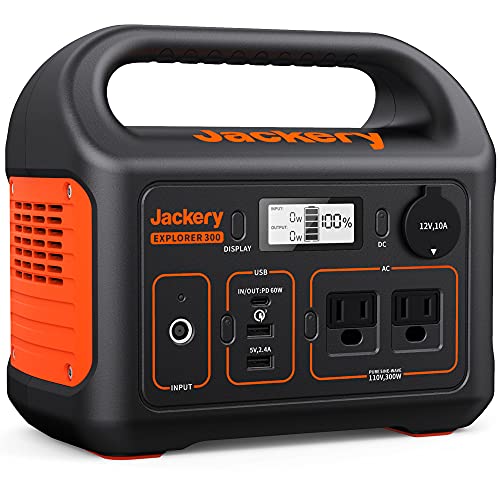
The Explorer 300 offers 293Wh of lithium-ion capacity with 300W continuous output plus a 60W USB-C port. It includes 2 Pure Sine Wave AC outlets and a lightweight 7.1-pound form factor, making it feasible for CPAP users who travel light. Recharging is fast via wall outlet or 60W PD USB-C, and it supports car or solar charging when available. For CPAP setups, its multiple charging options help maintain uninterrupted therapy during short trips or power outages. The unit’s portability makes it a practical backup for single-night CPAP use.
Explorer 1000 v2: Large-Capacity CPAP Companion

With 1,070Wh and a 1,500W continuous output, the Explorer 1000 v2 can power a CPAP plus additional devices. It supports 3,000W surge capacity, making it capable of running CPAP machines that require startup power. The unit provides fast charging—emergency mode can bring the battery to capacity quickly via the Jackery App—and it uses a durable LiFePO4 chemistry, promising longevity with thousands of cycles. Although heavier at about 23.8 pounds, its extended runtime is valuable for longer trips or backup for multiple nights of CPAP use.
Solar Generator 300: All‑in‑One CPAP Setup

The Solar Generator 300 bundles a 293Wh battery with a SolarSaga 100W panel option. It provides two AC outlets and multiple ports to support a CPAP plus other devices, with a compact 7.1-pound chassis. Recharging can be done in two hours to 80% via wall outlet and PD USB-C, and it supports solar charging when outdoors. This model suits CPAP users who want a balance between portability and reliable overnight backup for compact camping or RV setups.
Explorer 500: Portable Back‑Up For Short Trips
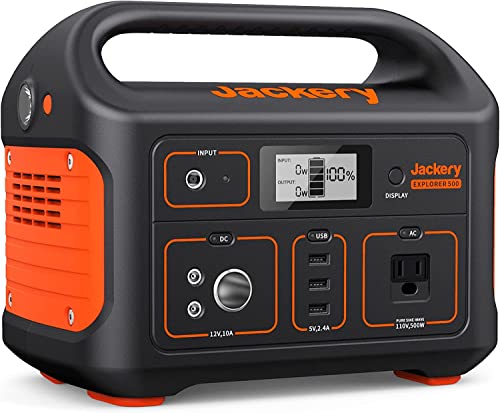
The Explorer 500 offers a mid-range option with 518Wh capacity and 110V/500W AC output. It includes multiple ports (USB-A, DC, USB-C) to support CPAP equipment and essential electronics. Its portability, paired with pass-through charging and a sturdy handle, makes it a versatile choice for weekend camping or as a reliable home backup for CPAP users during shorter outages. For CPAP therapy, ensure the unit’s wall-powered recharging aligns with travel plans to maintain uninterrupted treatment overnight.
HomePower 3600 Plus: Expandable Home Backup

The HomePower 3600 Plus delivers high-capacity backup with 3600W continuous output and 3584Wh capacity, expandable up to 21kWh per unit or 43kWh with multiple units. This model targets home backup scenarios where extended CPAP use is possible during longer outages, or when powering a range of home appliances together. It is built for durability, with high-cycle life and strong thermal management. While heavier and more substantial than portable units, it offers robust, long-duration CPAP support and household backup power.
Buying Guide: Key Purchase Considerations
- CPAP power needs: Verify your CPAP’s wattage and start-up surge. Most CPAP machines draw relatively low running power but can have higher surge when starting. Choose a unit with at least 1.5–2x the CPAP’s running power for reliability.
- Battery capacity and runtime: For overnight use, aim for 800–1200Wh for a single CPAP with some reserve. For longer trips or multiple devices, 1000–1500Wh or more is beneficial.
- Recharging options: Look for fast charging, USB-C PD, car charging, and optional solar input. Multiple charging paths reduce downtime between outings.
- Weight and portability: If you’ll carry the unit, lower weight improves travel comfort. For vehicle-based trips, weight is less critical but still matters for handling.
- Lifespan and safety: Consider lithium iron phosphate (LiFePO4) batteries for longer cycle life and better durability in cold environments. Check safety features like overcurrent protection and thermal management.
- Expandability and ecosystem: Some models offer expansion capabilities or compatibility with solar panels, expanding long-term off-grid resilience.
- Noise and heat: CPAP users often sleep with devices on for hours; choose units with quiet operation and effective heat dissipation to avoid sleep disruption.
- Warranty and support: A robust warranty and accessible customer support help with long-term value and peace of mind.
Across these options, the best fit depends on travel frequency, CPAP usage duration, and whether you prioritize ultra-portability or extended off-grid power. For occasional trips, the Explorer 300 or Solar Generator 300 provide compact reliability. For longer trips or multi-device needs, the Explorer 1000 v2 or HomePower 3600 Plus offer substantial capacity and extended runtime. Always align charging strategies with your CPAP model’s power profile to ensure uninterrupted therapy.